
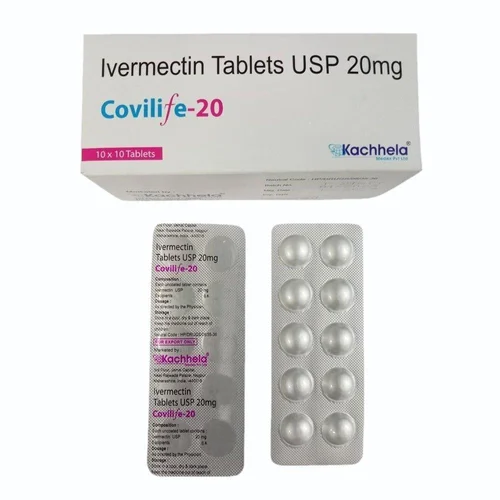
Description
Scabies spreads quietly. One person starts scratching at night, a partner follows a few weeks later, then a child, then a roommate, and by the time a diagnosis is made half the household is itchy and exhausted. Ivermectin 20 mg is a high-strength tablet of an antiparasitic that clinicians use for scabies, strongyloidiasis, onchocerciasis and some other infections. This guide approaches the product through the lens of household outbreaks, because that is where careful planning matters most, and it explains how a 20 mg unit fits into weight-based dosing, what to expect during treatment and which safety points should never be skipped.
Important: ivermectin is a prescription medicine. It is not approved to prevent or treat viral infections, including COVID-19, and regulators warn against taking veterinary ivermectin products. This page is educational and does not replace advice from a doctor or pharmacist.
Ivermectin 20 mg: Fast Facts
| Active ingredient | Ivermectin |
|---|---|
| Strength | 20 mg per tablet |
| Class | Macrocyclic lactone (avermectin) antiparasitic |
| Established uses | Strongyloidiasis, onchocerciasis; widely used for scabies under medical direction |
| Dosing basis | Body weight |
| Not intended for | Viral infections, cancer, tapeworms, or substitution with animal products |
| Neighbouring strengths | 12 mg, 24 mg |
What 20 mg Means for Weight-Based Dosing
Ivermectin is dosed according to body weight, commonly around 200 micrograms per kilogram for several indications. A simple calculation shows why a 20 mg tablet exists: at 0.2 mg per kilogram, a person weighing about 100 kg corresponds to roughly 20 mg. Without a high-strength unit, that person would need many 3 mg tablets. A single 20 mg tablet reduces pill counts, simplifies instructions and lowers the chance of a counting error. This is an illustration of the arithmetic only. A prescriber decides the real amount after considering weight, diagnosis, other medicines and local guidance.
| Approximate body weight | Illustrative amount at 0.2 mg/kg | Unit that makes the arithmetic simple |
|---|---|---|
| 30 kg | 6 mg | 6 mg |
| 60 kg | 12 mg | 12 mg |
| 100 kg | 20 mg | 20 mg |
| 120 kg | 24 mg | 24 mg |
Never treat a 20 mg tablet as interchangeable with a 3 mg tablet. One 20 mg tablet is more than six times the content of one 3 mg tablet, so always read the strength on the pack.
Understanding Scabies Before Treating It
What scabies is
Scabies is caused by the microscopic mite Sarcoptes scabiei. The female burrows into the upper layer of skin to lay eggs, and the body’s allergic reaction to the mites and their waste produces intense itching, usually worse at night. Common sites include the webs of the fingers, wrists, elbows, waistline, genitals and, in infants, the palms, soles and scalp.
Why symptoms appear late
In someone who has never had scabies, itching may not begin for four to six weeks after infection. During that quiet period the person can already pass mites to others. That delay is why outbreaks in households, dormitories, care homes and nurseries grow before anyone realises what is happening.
How it spreads
Spread usually requires prolonged skin-to-skin contact. Brief handshakes rarely transmit it. Mites can survive a short time off the body on bedding and clothes, generally two to three days, which is why laundry is part of the treatment plan. In crusted scabies, a severe form seen in people with weakened immunity or limited mobility, huge numbers of mites are present and spread is much easier.
Treatment Options for Scabies: Where Ivermectin Fits
| Option | How it is used | Points to remember |
|---|---|---|
| Permethrin cream | Applied to the whole body below the neck, left on for several hours, repeated after about a week | Often first choice; requires careful, complete application |
| Oral ivermectin | Weight-based tablets, usually with a repeat dose after about one to two weeks | Convenient for households, institutions and people who cannot apply creams; use depends on country and prescriber |
| Other topical agents | Benzyl benzoate, sulphur ointment and others in some regions | Can irritate the skin; useful alternatives in some situations |
Doctors weigh age, pregnancy, skin condition, ability to apply creams and the number of people affected. Oral treatment is often attractive in large outbreaks because a tablet is easier to give consistently than a full-body cream across many people.
Planning a Household Outbreak Response
The following plan reflects the principles clinicians commonly describe. Your own plan must come from a healthcare professional.
- Confirm the diagnosis. A doctor may examine burrows, take a skin scraping or use a dermatoscope.
- Treat everyone at the same time. Partners, children and other household members, even if they have no itch yet.
- Choose treatments individually. Pregnant people, infants and those with certain conditions may need topical therapy instead of tablets.
- Clean the environment on treatment day. Wash bedding, towels and recently worn clothing in hot water and dry on a hot setting. Items that cannot be washed can be sealed in a bag for several days.
- Plan the repeat. Put the second treatment date on a calendar, because eggs that survive the first round can hatch.
- Be patient with itching. It can last two to four weeks after successful treatment because the skin is reacting to dead mites.
- Follow up. If new burrows appear after several weeks, return to your doctor.
What does not help
Fumigating the house, throwing away furniture or washing with harsh disinfectants is unnecessary. Excessive scrubbing can damage skin and delay healing.
Beyond Scabies: Other Uses of Ivermectin
Strongyloidiasis
Strongyloides stercoralis can persist in a person for decades and may flare dangerously if the person is later given corticosteroids or other immune-suppressing therapy. Ivermectin is the usual treatment.
Onchocerciasis
Also called river blindness, this infection is carried by blackflies. Ivermectin kills larval worms, and treatment is repeated at intervals in community programmes.
Other parasitic infections
Clinicians also use ivermectin for some cases of cutaneous larva migrans and for selected nematode infections, depending on local guidance and the patient’s situation.
Side Effects and Warnings
Common effects
- Dizziness, drowsiness or headache
- Nausea, abdominal pain or diarrhoea
- Temporary increase in itching or a mild rash as mites die
Less common but important
- Swelling, fever and joint pain after treatment of onchocerciasis, caused by an immune reaction to dying larvae
- Low blood pressure when standing
- Serious brain-related reactions in people with very high Loa loa counts, which is why clinicians screen patients from endemic areas
Signs of overdose
Confusion, loss of balance, seizures, severe vomiting or breathing difficulty need emergency care. Overdoses are most often linked with veterinary products or taking more than prescribed.
Who Needs Extra Caution?
- Pregnant or breastfeeding people, because data are limited and benefits and risks must be weighed.
- Children weighing under about 15 kg, who are not usually given standard tablets.
- People taking warfarin or other medicines that affect clotting tests.
- Anyone with advanced liver disease or a weakened immune system.
- People who have lived in or travelled through Loa loa regions of central Africa.
Interactions
Ivermectin is processed by the liver enzyme CYP3A4 and moved by the P-glycoprotein pump. Medicines that block these pathways may raise ivermectin levels, and enzyme-inducing medicines may lower them. A fatty meal can increase absorption, so the leaflet may specify whether to take the tablet fasting or with food. Warfarin users may need closer monitoring. For an easy-to-follow explanation of how enzyme interactions work in a related drug class, see our guide to albendazole drug interactions. Alcohol has no classic dangerous interaction with ivermectin, but it can add to dizziness, as discussed in can you drink alcohol on albendazole.
Itch Management During Recovery
The itch of scabies often lingers after the mites are gone, and this can be discouraging. Doctors may suggest soothing measures such as cool compresses, emollients, short lukewarm showers, loose cotton clothing and, in some cases, a sedating or non-sedating antihistamine or a mild topical steroid. Keep nails short to reduce skin damage and secondary infection. If skin becomes red, hot, weeping or crusted, see a doctor, because bacterial infection of scratched skin is common.
Strength Comparison
| Strength | Role in the range |
|---|---|
| 3 mg | Smallest unit; fine adjustment |
| 6 mg | Lower body weights |
| 12 mg | Common adult range |
| 20 mg | Higher body weights with fewer tablets |
| 24 mg | Highest unit |
Ivermectin Versus Benzimidazole Dewormers
Many people confuse ivermectin with dewormers such as albendazole and mebendazole. Ivermectin paralyses parasites by acting on chloride channels, while benzimidazoles block tubulin. Ivermectin treats scabies and strongyloides, and benzimidazoles are better known for common gut worms. See albendazole vs mebendazole and our Mebendazole 500 mg page for the other side of the picture.
Storage and Quality
Keep tablets in the original pack at room temperature, away from light and moisture, and out of reach of children and animals. Check the batch number, expiry date and the printed strength of 20 mg before use. Avoid any product that looks different from the leaflet’s description. Never use horse, cattle or pet formulations.
Institutional Outbreaks: Care Homes, Dormitories and Nurseries
Scabies outbreaks in institutions are among the hardest to control. Residents may have limited mobility, cognitive difficulties or weakened immunity, and staff move between rooms. Crusted scabies in one resident can seed infection across a whole ward. Infection-control teams usually coordinate a plan that treats residents, staff and close contacts at the same time, with a repeat after about a week or two. Oral treatment is attractive here because applying cream to dozens of people reliably is difficult, and tablets can be given and recorded as part of the routine medication round.
Elements of a well-run response
- A named lead who coordinates diagnosis, treatment dates and communication.
- Simultaneous treatment of everyone affected or exposed, so that mites are not passed back and forth.
- Laundry protocols with hot washing, hot drying and sealed bags for items that cannot be washed.
- Cleaning of shared equipment such as hoists, chairs and commodes that touch skin.
- Staff guidance on gloves and gowns when providing personal care to affected residents.
- Follow-up checks for new itch or burrows two to four weeks later.
Crusted Scabies: A Different Challenge
Crusted, or Norwegian, scabies is a severe form in which a person carries thousands or even millions of mites. It occurs more often in people with weakened immune systems, certain neurological conditions or limited ability to scratch. The skin develops thick, flaky crusts, and the itch may be surprisingly mild. Because the mite burden is so high, the condition is far more contagious than ordinary scabies, and specialist treatment is required, usually combining topical and oral medicines over several doses. Anyone with thick crusted skin and a possible scabies exposure should see a doctor promptly.
A Two-Week Calendar Example
Here is a simplified, non-prescriptive example of how a family might structure the first two weeks after a doctor confirms scabies and decides on treatment. Your own plan will differ.
| Day | Action |
|---|---|
| Day 1 | All household members begin treatment as directed. Bedding, towels and recently worn clothes are washed hot and dried hot. Vacuum upholstered furniture. |
| Days 2 to 6 | Keep nails short. Use soothing measures for itch. Avoid sharing clothing and towels. |
| Day 7 to 14 | Repeat treatment on the date the doctor specified. Wash bedding and clothing again. |
| Weeks 3 to 4 | Itching gradually fades. Watch for new burrows or rashes. |
| Week 4 to 6 | Review with a doctor if symptoms persist or new cases appear. |
Why Treatment Sometimes Appears to Fail
- Not everyone was treated. A single untreated contact can restart the cycle.
- The repeat dose was missed. Surviving eggs hatch and begin new burrows.
- Cream was applied incompletely. Skin folds, under nails and the genital area are easy to miss.
- The diagnosis was wrong. Eczema, allergic reactions and other skin conditions can mimic scabies.
- Itching is mistaken for failure. Post-scabies itch can linger for weeks.
- Resistance. Reduced sensitivity of scabies mites to some treatments has been reported and is being studied.
Skin Care After Scabies
Once the mites are gone, skin needs time to recover. Moisturise regularly with a fragrance-free emollient. Avoid very hot showers, which dry the skin. Use mild soap. If your doctor recommends a mild steroid cream, apply it only as directed and for the stated time. Watch for signs of infection, such as honey-coloured crusts, pus or spreading redness, and contact a doctor if they appear. Secondary skin infections are the most common complication of scabies, particularly in children.
Weight Monitoring and Accuracy in Larger Patients
Because the 20 mg strength relates to higher body weights, accurate weighing matters. Standard bathroom scales are fine, but they should be placed on a hard floor and used without heavy clothing. If you are near the boundary between two strengths, your prescriber may use clinical judgement about rounding. They may also consider fluid retention, which can distort weight in some conditions, and they will consider whether the maximum recommended amount for a single dose applies to your situation.
Scabies Versus Look-Alike Conditions
Itching and rash have many causes. Doctors consider several alternatives before settling on scabies, and so should you if symptoms do not fit.
| Condition | How it differs from scabies |
|---|---|
| Eczema (atopic dermatitis) | Often long-standing, with a personal or family history of allergy; common in skin creases; usually not contagious |
| Contact dermatitis | Linked to a trigger such as a new soap or metal; rash matches the area of contact |
| Bed bug bites | Bites appear in lines or clusters on exposed skin; no burrows; bugs found in mattress seams |
| Fleas | Bites often on ankles and lower legs; pets usually affected too |
| Drug rash | Starts after a new medicine; widespread and often symmetrical |
| Fungal infections | Ring-shaped, scaly patches; respond to antifungals |
If your doctor is unsure, a skin scraping or dermoscopy can identify mites or eggs. Treating a condition that is not scabies wastes time and may delay the right care.
Frequently Asked Practical Questions About Laundry
What temperature should I use?
Hot water, commonly around 50 degrees Celsius or above, followed by a hot tumble dry, is widely advised. Always check garment labels.
What about items that cannot be washed?
Seal them in a plastic bag for several days, since mites usually die within two to three days away from skin. Some guidance suggests a week to be safe.
Do I need to wash everything in the house?
No. Focus on bedding, towels and clothing worn or used in the preceding few days. Vacuuming upholstered furniture is reasonable, but chemical sprays are not needed.
What about coats, hats and shoes?
Items worn close to the skin are the priority. Coats and shoes carry a lower risk, but bagging them for a few days is easy if you are concerned.
Respecting Privacy and Reducing Stigma
Scabies carries unnecessary stigma. It is not a sign of poor hygiene and can happen to anyone who has prolonged skin contact with an infected person. Families sometimes feel embarrassed and delay seeking help, allowing the outbreak to grow. Healthcare professionals treat scabies often and are used to discussing it. Being open with close contacts, though not necessarily with everyone at school or work, helps them seek treatment before symptoms begin.
Combining Treatment With Good Communication
In a household, assign one person to coordinate. They should note when everyone started treatment, the repeat date, laundry days and any new symptoms. A shared message group or paper checklist makes sure nobody is missed. If a family member lives elsewhere, such as a student in a dormitory or a grandparent in a care home, tell them early and encourage them to see a doctor, as they may need treatment too.
Handling Medicine Supplies Responsibly
Because 20 mg is a high-strength tablet, it should be stored separately from lower strengths. Place it in a clearly labelled container with the strength, patient name and instructions. Keep it away from children, and never share tablets between household members unless a prescriber has specifically dispensed them that way. If a dose is spilled or dropped, discard it according to your pharmacist’s guidance rather than trying to recover it.
Quick Reference: Do and Do Not
| Do | Do not |
|---|---|
| Confirm the diagnosis with a clinician | Self-treat on the basis of a rash alone |
| Treat all contacts at the same time | Treat only the person who is itching most |
| Plan the repeat dose | Assume one dose is always enough |
| Wash linen hot and dry hot | Spray the whole home with insecticide |
| Check the strength on the pack | Substitute tablets of a different strength |
| Use human-approved products only | Use horse, cattle or pet products |
Frequently Asked Questions
Is ivermectin 20 mg a normal dose?
It is a strength, not a dose. Whether it suits you depends on your weight, diagnosis and a prescriber’s instructions.
Do I need a second dose for scabies?
Many protocols include a repeat after about one to two weeks. Follow your clinician’s advice.
How long does the itch last?
It can continue for several weeks after the mites are gone.
Should my whole household be treated?
Usually yes, at the same time, even people without symptoms.
Can I use ivermectin for COVID-19?
No. Regulators do not support this use.
Can I cut a 20 mg tablet?
Only if the leaflet says it is scored and a prescriber tells you to.
Will it kill lice?
Oral ivermectin has been used for head lice in some settings, but topical products are standard. Ask your doctor.
Can pets get scabies from me?
Human scabies mites do not usually breed on pets, though pets can have their own mite types. Ask a vet if your animal is itching.
Reliable External Sources
Summary
Ivermectin 20 mg is a high-strength unit in a range built around weight-based dosing. It is particularly relevant where several people must be treated at once, as in scabies outbreaks, but it must be used under medical direction, with attention to household treatment, laundry, repeat dosing and patience while the skin recovers. It has no role against viruses or cancer, and animal products are not a substitute.
Disclaimer: General information only; not medical advice. Consult a qualified healthcare professional.








Reviews
There are no reviews yet.