
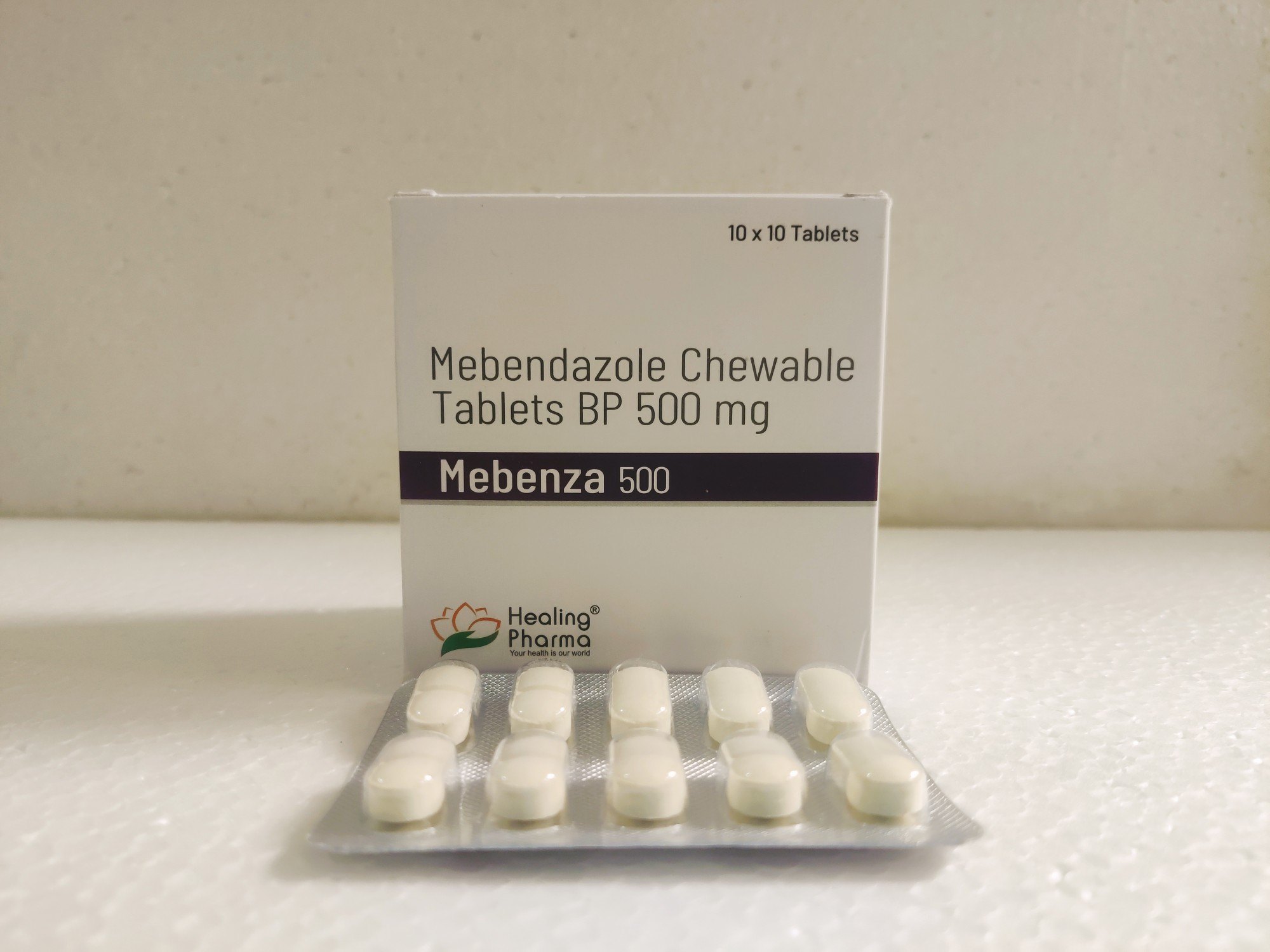
Description
Mebendazole 500 mg is an anthelmintic medicine in the benzimidazole family that is used to treat common intestinal worm infections in people. It is one of the best-known deworming drugs in the world, and it appears on lists of essential medicines used in public-health deworming programmes. This page is written as a set of plain questions and answers, so you can quickly find what mebendazole treats, how it works, what a 500 mg unit means, what side effects to expect, and when you should see a clinician before using it.
This product information is educational. Mebendazole is a prescription-controlled medicine in many countries. Always follow the advice of a licensed healthcare professional and the patient leaflet that comes with your supply.
Product Snapshot
| Generic name | Mebendazole |
|---|---|
| Strength on this page | 500 mg |
| Class | Benzimidazole anthelmintic |
| Main use | Intestinal roundworm, whipworm, hookworm and pinworm infections |
| Form | Oral tablet (chewable forms exist in some markets) |
| Regulatory status | Approved for human use; supply rules vary by country |
| Related reading | Albendazole vs mebendazole |
What Is Mebendazole 500 mg Used For?
Mebendazole is used against infections caused by nematodes, the group of roundworms that live in the human gut. The conditions most often discussed in connection with this medicine are:
- Pinworm (enterobiasis): small white worms that cause itching around the anus, especially at night. Pinworm spreads easily within households.
- Whipworm (trichuriasis): a large-bowel infection that can cause diarrhoea, abdominal pain and, in heavy infections, rectal problems in children.
- Roundworm (ascariasis): large worms that live in the small intestine and are among the most widespread parasites on Earth.
- Hookworm: worms that attach to the intestinal wall and cause chronic blood loss, leading to iron-deficiency anaemia.
- Mixed infections: people living in areas with poor sanitation often carry more than one species at once.
Mebendazole is not an antibiotic and it does not treat bacterial, viral or fungal infections. It will not help with a stomach bug unless worms are the cause. A stool test is the most reliable way to confirm which parasite is present.
How Does Mebendazole Work?
Mebendazole binds to a protein called beta-tubulin in the cells of the worm. Tubulin is the building block of microtubules, which the parasite needs to absorb nutrients and to maintain its cell structure. When mebendazole blocks tubulin, the worm cannot take up glucose, its energy stores fall, and it dies over the following days. The dead worms are then passed in the stool.
Human tubulin is much less sensitive to the drug, which is why mebendazole is generally well tolerated at standard doses. Very little of the medicine is absorbed into the bloodstream when taken by mouth, so most of its action takes place inside the gut itself. This low absorption explains both its good safety record for intestinal infections and its limited usefulness for infections outside the gut.
What Does the 500 mg Strength Mean?
The strength is the amount of mebendazole in each unit. Many markets sell mebendazole in a 100 mg tablet that is taken over several days, and a 500 mg presentation that is intended to simplify short courses. A larger single unit can improve adherence, because one tablet is easier to remember than a multi-day schedule, and it reduces the chance of a missed dose.
The right plan always comes from the product label and the prescriber, because the intended schedule differs between worm species, age groups and countries. Do not combine strengths or split a 500 mg tablet unless the leaflet explicitly says you can. If you are comparing options, you may also be interested in our Mebendazole 200 mg page, which explains how a lower-strength unit fits into different dosing approaches.
Is Mebendazole Right for Me? A Practical Checklist
Before using any antiparasitic, it helps to go through a short checklist. These are questions to discuss with a pharmacist or doctor.
- Do I have a confirmed diagnosis? Itching, bloating or visible worms are suggestive, but a stool test or tape test (for pinworm) gives a proper answer.
- Am I pregnant or trying to become pregnant? Mebendazole is usually avoided in the first trimester unless the benefit clearly outweighs the risk.
- Is the patient a young child? Dosing and suitability change for toddlers, and some presentations are not suitable for very young children.
- Do I have liver disease? Liver function can influence how the body handles the medicine.
- What else am I taking? Some anticonvulsants and cimetidine can alter mebendazole levels.
- Is anyone else in my household affected? Pinworm in particular is often treated across a whole household.
Mebendazole vs Albendazole: Which Is Used When?
Mebendazole and albendazole are close relatives. Both block tubulin, both are taken by mouth, and both treat many of the same intestinal worms. The main differences are that albendazole is absorbed more readily into the body, so it is also used for tissue infections such as neurocysticercosis and hydatid disease, while mebendazole stays largely in the gut and is chosen mainly for intestinal infections.
| Feature | Mebendazole | Albendazole |
|---|---|---|
| Absorption from the gut | Low | Higher, increased by fatty food |
| Best known for | Intestinal worms | Intestinal worms plus tissue infections |
| Typical side-effect profile | Mild stomach upset | Stomach upset, occasional liver enzyme changes |
| Interaction considerations | Cimetidine, some anticonvulsants | Several enzyme-related interactions |
To go deeper, read our full comparison in albendazole vs mebendazole, the practical guide to albendazole for pinworms, and the safety articles on side effects and drug interactions, since much of that information also helps you understand mebendazole.
How Is Mebendazole Taken?
Instructions vary by brand and country, so follow your leaflet. The general principles are simple:
- Swallow or chew the tablet as directed on the label. Chewable products should be chewed.
- It can be taken with or without food, because gut absorption is not the goal.
- Drink water after taking it, and finish the full course if more than one dose is prescribed.
- For pinworm, a second course is commonly advised after about two weeks, to catch worms that hatched after the first treatment.
- Wash hands, trim fingernails, and launder bedding and underwear in hot water to prevent re-infection.
Because the treatment schedule is part of how the drug breaks the life cycle, skipping the repeat dose recommended for pinworm is one of the most common reasons infections return.
What Side Effects Can Mebendazole Cause?
Common and mild
- Abdominal pain or cramps
- Nausea or loose stools
- Passing of worms, which can look alarming but is an expected sign that treatment is working
- Headache or dizziness in some people
Uncommon but important
- Skin rash or itching beyond the original symptom
- Fever or sore throat that may indicate a blood-count change with prolonged or high-dose use
- Changes in liver tests during extended therapy
When to seek urgent help
Swelling of the face or throat, difficulty breathing, severe rash, yellowing of the skin or eyes, or persistent vomiting need immediate medical attention. For a broader view of how this drug class is tolerated, see our guide to albendazole side effects.
Interactions and Precautions
Mebendazole is not a drug with a long list of dangerous interactions, but a few combinations are worth knowing.
- Cimetidine can raise mebendazole levels in the blood.
- Carbamazepine, phenytoin and other enzyme inducers may lower levels and make treatment less effective.
- Metronidazole has been linked in rare reports to severe skin reactions when taken together with mebendazole at high doses.
- Alcohol has no dangerous interaction with mebendazole in the way it does with some other medicines, but it can add to stomach irritation. Our article on drinking alcohol on albendazole covers the same principles.
Tell your pharmacist about every prescription, over-the-counter product and herbal remedy you use, so they can check for conflicts.
Pregnancy, Breastfeeding and Children
Animal studies of mebendazole have shown harm to developing offspring at high doses, so most guidance recommends avoiding it during early pregnancy unless a clinician decides it is necessary. Only small amounts pass into breast milk, and many authorities consider short courses compatible with breastfeeding, though a clinician should confirm that for you. In children, the product choice depends on age and swallowing ability, and chewable forms are usually preferred over standard tablets for younger patients.
How Long Does It Take to Work?
Worms begin to die within hours to days after the medicine reaches them, and symptoms such as itching or abdominal discomfort usually improve within several days. Complete clearance can take longer, which is why follow-up testing may be suggested a few weeks later. In areas where re-infection is common, symptoms can return unless sanitation and hygiene improve at the same time.
If you are curious how long a related drug remains in the body, see our guide on how long albendazole stays in your system. Mebendazole is absorbed even less, so the systemic exposure is smaller.
Preventing Reinfection: The Part Most People Miss
Treating the worms without breaking the cycle of transmission is like bailing out a boat without fixing the hole. These habits make the difference:
At home
- Wash hands with soap after using the toilet and before eating or preparing food.
- Keep fingernails short and discourage nail-biting and thumb-sucking.
- Wash bedding, towels and sleepwear in hot water on the day of treatment.
- Vacuum floors and wipe surfaces, especially in children’s bedrooms and bathrooms.
In the community
- Use safe drinking water and wash fruit and vegetables.
- Wear shoes in areas where hookworm larvae live in soil.
- Support school-based deworming and sanitation programmes where they exist.
Comparing Mebendazole 500 mg With Other Strengths and Products
Different strengths exist so that clinicians can match the schedule to the infection. A short summary:
| Product | Typical role |
|---|---|
| Mebendazole 500 mg | Larger unit that supports short-course or simplified schedules for intestinal worms |
| Mebendazole 200 mg | Mid-size unit that allows flexible, multi-tablet schedules |
| Ivermectin 12 mg | Different drug class, used for strongyloidiasis, onchocerciasis and scabies under medical direction |
If your diagnosis is not a worm that mebendazole covers, a different medicine may be more suitable. For example, strongyloides and scabies are typically treated with ivermectin, not with a benzimidazole.
Storage, Shelf Life and Safe Disposal
Store mebendazole in its original packaging at room temperature, away from moisture and direct light. Keep it out of reach of children, who may mistake a chewable tablet for sweets. Check the expiry date before use and do not take tablets that are discoloured or damaged. Return unused medicine to a pharmacy take-back point where possible, instead of flushing or binning it.
Why Buy From a Transparent Supplier?
When ordering any medicine online, look for clear product information, batch and expiry details, a patient leaflet, and a way to contact a pharmacist. Avoid sources that promise miracle outcomes, hide the active ingredient, or make claims beyond approved uses. A reputable seller will tell you plainly what a product is for, what it is not for, and when a clinician is needed.
The Global Burden of Intestinal Worms
Soil-transmitted helminths, the group that includes roundworm, whipworm and hookworm, infect well over a billion people worldwide, mostly in warm regions with limited access to clean water and sanitation. Children carry the heaviest burden. Chronic infection can contribute to anaemia, poor growth and reduced school performance, even when symptoms seem mild. That is why mass deworming with low-cost benzimidazoles such as mebendazole and albendazole has been a pillar of public health for decades.
Travellers can also be exposed, particularly after walking barefoot on contaminated soil, eating unwashed produce or drinking untreated water. Anyone who has returned from an endemic region with unexplained digestive symptoms, fatigue or itching should mention travel history to their doctor, who may order a stool examination.
Recognising the Signs of a Worm Infection
Many infections are silent, and symptoms depend on the worm, the number of worms and the person’s age and nutrition. Common signs include:
| Parasite | Typical clues |
|---|---|
| Pinworm | Night-time anal itching, restless sleep, irritability in children |
| Roundworm | Abdominal discomfort, reduced appetite, occasionally a worm seen in stool or vomit |
| Whipworm | Recurrent diarrhoea, urgency, mucus or blood in stool in heavier infections |
| Hookworm | Fatigue, pallor, shortness of breath on exertion from iron loss |
None of these signs is specific. Other conditions such as coeliac disease, giardiasis, irritable bowel syndrome and iron deficiency from other causes can look similar, which is another reason a test beats guesswork.
How Diagnosis Usually Works
Stool microscopy
A laboratory examines one or more stool samples for eggs. Because worms shed eggs irregularly, several samples on different days improve accuracy.
The cellophane tape test
For pinworm, a piece of clear tape is pressed against the skin around the anus first thing in the morning, then examined under a microscope for eggs.
Blood tests
A full blood count may show anaemia in hookworm, and some infections raise a type of white cell called eosinophils. These findings support, but do not replace, direct detection of the parasite.
What to Expect During and After Treatment
Here is a realistic timeline for a typical uncomplicated intestinal infection:
- Day of treatment: you take the medicine as directed. Most people feel nothing unusual, though some notice mild cramps.
- First one to three days: worms begin to die and may be passed. Itching or discomfort often begins to settle.
- One to two weeks: for pinworm, this is when a repeat dose is commonly advised, alongside continued hygiene measures.
- Three to four weeks: a follow-up stool test may be requested to confirm that eggs are no longer being shed, particularly for heavier infections.
If symptoms persist beyond this window, return to your clinician. The cause may be re-infection, a different parasite, or a condition unrelated to worms.
Household Treatment: Why the Whole Family May Be Included
Pinworm eggs are microscopic and travel on fingers, bedding, towels and dust. A single infected child can quickly spread them to siblings and parents. Because many carriers have no symptoms, clinicians often recommend treating everyone in the household at the same time and repeating the course after two weeks. Treating one person alone is a frequent cause of infections that seem to come back again and again.
Common Misunderstandings About Dewormers
- “I should deworm regularly just in case.” Routine self-treatment without a reason can contribute to resistance and exposes you to unnecessary medication. Public programmes deworm in high-prevalence settings, which is different from deworming a healthy adult in a low-risk area.
- “Natural remedies work just as well.” Pumpkin seeds, garlic, papaya and similar remedies are popular, but there is no reliable evidence that they clear worm infections as well as approved medicines.
- “Seeing no worms means I am cured.” Most worms are not visible, so eggs in the stool are the proof that matters.
- “Bigger doses clear the infection faster.” Dose is set to balance effect and safety, and more is not better.
Understanding Quality and Authenticity
Counterfeit and substandard medicines are a real concern worldwide, and antiparasitics are no exception. Before you rely on any tablet, check that the strength printed on the blister matches the label, that the blister is intact, that the batch number and expiry date are printed clearly, and that the tablet shape and colour match the description in the leaflet. If anything looks off, do not use it and report the problem to the supplier and, where relevant, to your national medicines regulator.
Mebendazole in the Wider Context of Antiparasitic Care
Mebendazole is one tool in a larger toolkit. Albendazole broadens coverage to tissue infections. Ivermectin handles strongyloides, river blindness and scabies. Praziquantel treats schistosomiasis and many tapeworm and fluke infections. Pyrantel pamoate is an alternative for pinworm and roundworm, and it is often available over the counter. A clinician chooses among these based on the parasite, your age, any pregnancy, and the medicines you already take. Browsing our related product pages, such as Ivermectin 6 mg and Ivermectin 3 mg, can help you understand how these categories differ, but a prescriber should always confirm the right match.
Questions to Ask Your Pharmacist
- Is mebendazole the right choice for the parasite that was found, or would another medicine suit me better?
- Should the people I live with be treated at the same time?
- Do I need a repeat dose, and if so, when?
- Does anything I currently take interact with this medicine?
- What symptoms mean I should stop and call a doctor?
Frequently Asked Questions About Mebendazole 500 mg
Can children take mebendazole?
Often yes, in age-appropriate forms and doses, but the product and schedule must be chosen by a clinician or by the leaflet instructions.
Do I need to fast before taking it?
No. Fasting is not required for gut infections, although some prescribers suggest taking it with a light meal if it upsets your stomach.
Why do I need a second dose for pinworm?
The first course kills the adult worms, but eggs that were already swallowed can hatch later. A repeat dose clears that next generation.
Can I drink alcohol while taking it?
There is no major pharmacological interaction, though alcohol may worsen stomach upset. Moderation is sensible.
Will mebendazole treat scabies or lice?
No. Those are handled by other medicines, such as permethrin or oral ivermectin.
Is mebendazole the same as albendazole?
They are related but not the same. They differ in absorption, extra uses and interaction profile. See our detailed comparison.
What should I do if I vomit after a dose?
Because absorption is minimal, vomiting shortly after swallowing may mean the dose was lost. Contact a pharmacist for guidance rather than simply repeating it.
Can pets and people share the same dewormer?
No. Animal and human products are formulated and approved separately. Never use a veterinary product to treat a person.
Trusted External References
- CDC parasitic disease information
- WHO soil-transmitted helminth infections fact sheet
- DailyMed: official mebendazole labels
Key Takeaways
- Mebendazole 500 mg is a human-approved benzimidazole used mainly for intestinal worm infections.
- It works locally in the gut by starving worms of glucose, so it is well tolerated by most people.
- Diagnosis, pregnancy status, age and other medicines should be reviewed with a clinician before use.
- Hygiene and household measures are as important as the medicine itself.
- Different strengths exist to suit different schedules, so use the one your prescriber or label specifies.
Disclaimer: This page provides general information and is not a substitute for professional medical advice, diagnosis or treatment.








Reviews
There are no reviews yet.