
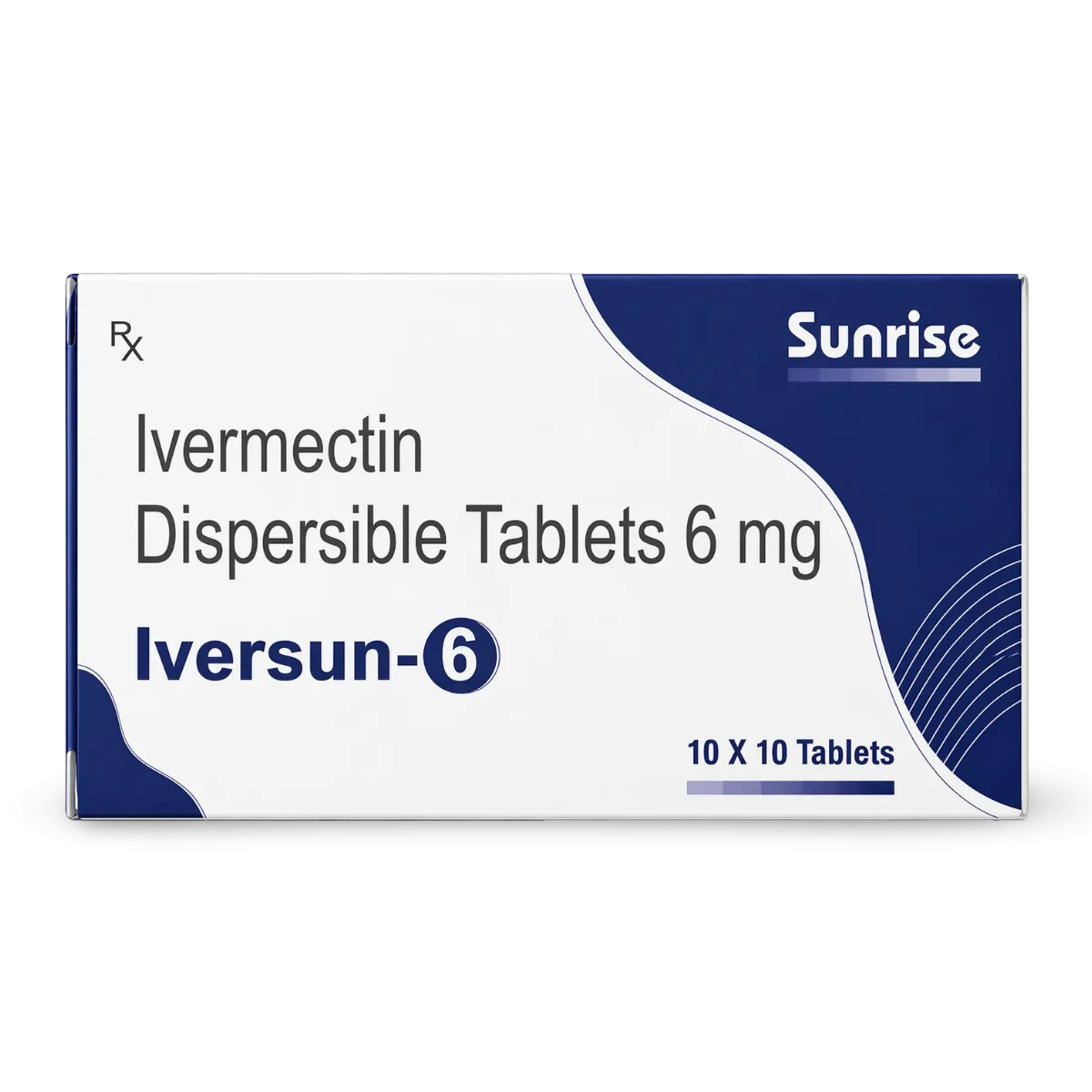
Description
When the patient is a child, a slight adult or an older person with a lower body weight, the margin for error shrinks. Ivermectin 6 mg is a lower-strength tablet in a weight-based range, and this guide focuses on how weight bands work, why children are handled differently from adults, which conditions ivermectin is used for and what families and carers should know about safety, supervision and storage.
Important: ivermectin is a prescription medicine. It is not approved to prevent or treat viral infections, and regulators warn against taking veterinary ivermectin. Standard tablets are generally not recommended for children weighing under about 15 kg. Always follow the advice of a doctor or pharmacist.
Ivermectin 6 mg: Product Snapshot
| Active ingredient | Ivermectin |
|---|---|
| Strength | 6 mg per tablet |
| Class | Macrocyclic lactone antiparasitic |
| Illustrative weight match | About 30 kg at 0.2 mg/kg |
| Established uses | Strongyloidiasis, onchocerciasis; scabies in many countries |
| Caution group | Children, small adults, pregnancy |
| Neighbouring strengths | 3 mg, 12 mg |
Weight Bands Explained
Ivermectin dosing is anchored to body weight rather than age. For several indications, the commonly cited reference is 0.2 mg per kilogram. That makes weight the single most important number in the calculation, and it explains why public-health programmes often use weight bands or height poles to select the right number of tablets quickly. The table below is a teaching illustration, not a prescription.
| Approximate weight | Illustrative amount at 0.2 mg/kg | Easy match |
|---|---|---|
| 15 kg | 3 mg | 3 mg tablet |
| 24 kg | 4.8 mg | Between 3 mg and 6 mg; prescriber decides |
| 30 kg | 6 mg | 6 mg tablet |
| 45 kg | 9 mg | 6 mg plus 3 mg, subject to prescriber |
| 60 kg | 12 mg | 12 mg tablet |
Notice that the 6 mg tablet fits neatly around the 30 kg mark. That could correspond to an older child or a small adult. The prescriber will confirm actual weight and select the best option. Never guess a child’s weight, and never use an adult’s dose for a child.
Why Children Are Treated Differently
The blood-brain barrier is still maturing
In adults, a pump called P-glycoprotein keeps ivermectin out of the brain. In very young or very small children this protection may be less developed, which is one reason standard tablets are not recommended below about 15 kg.
Weight changes quickly
A child’s weight can change by a kilogram or more within weeks. A schedule based on an old weight may no longer be accurate.
Taking tablets can be tricky
Young children may choke on tablets. A clinician or pharmacist will advise whether a tablet can be crushed or dispersed in a small amount of food or liquid, and only the leaflet or professional can answer that for a specific product.
Other options often exist
For scabies in infants and toddlers, topical treatments such as permethrin cream are commonly the first choice. Ivermectin tablets are reserved for situations where creams are impractical or have failed, and the decision belongs to a doctor.
Conditions Where Ivermectin May Be Considered
Scabies
Children in nurseries and schools are often affected, as the mite spreads through prolonged close contact. Typical signs are intense itching at night and small red bumps or burrows, often between the fingers and on the wrists. In babies the palms, soles and scalp may be affected. Doctors treat the whole household at the same time and advise hot-washing bedding and clothing. Itching can last for several weeks after successful treatment.
Strongyloidiasis
Children from endemic regions may carry Strongyloides without symptoms. A doctor may test before certain treatments, particularly steroids, and choose ivermectin if infection is found.
Onchocerciasis
Community programmes treat eligible people in affected areas, often using height-based dosing. Individual treatment follows national guidelines.
Cutaneous larva migrans
Children who play barefoot on beaches or sandpits can pick up animal hookworm larvae. The result is a raised, winding rash that itches intensely. A doctor will choose between topical and oral treatment.
Safety First: Giving Medicines to Children
- Confirm the child’s current weight on the day of treatment.
- Follow the prescriber’s written instructions exactly.
- Give the medicine yourself and watch it being swallowed.
- Never use measuring spoons from the kitchen. Use a proper medicine syringe or cup if a liquid form is directed.
- Keep a record of the date, time and amount given.
- Store tablets out of reach and out of sight of children, ideally in a locked cupboard.
Side effects in children
Children can experience the same side effects as adults, such as dizziness, headache, nausea, tummy ache, diarrhoea and temporary itching. Contact a doctor promptly if a child becomes unusually sleepy, confused, unsteady or develops a spreading rash, facial swelling or difficulty breathing. Seek emergency care immediately if a seizure occurs.
Accidental ingestion
If a child swallows tablets that were not prescribed for them, or more than prescribed, contact poison control or emergency services at once and take the pack with you. Do not wait for symptoms.
Small Adults, Older Adults and Other Low-Weight Patients
The 6 mg strength is not just for children. Small-framed adults and older adults with low body weight may also need a smaller unit. Older people often take several medicines, which raises the risk of interactions, and they may be more sensitive to dizziness and falls. Review all medicines with a pharmacist before starting, and be especially careful if the person takes warfarin, certain antifungals or other drugs that affect the liver.
How the Medicine Works
Ivermectin acts on glutamate-gated chloride channels in parasites, causing paralysis and death. This differs from the tubulin-blocking action of the benzimidazoles. If you are comparing drug families, see albendazole vs mebendazole or our page on Mebendazole 200 mg.
Pregnancy, Breastfeeding and Planning
Safety data are limited. Clinicians generally avoid ivermectin in pregnancy unless the infection is significant and alternatives are unsuitable. Mothers who are breastfeeding should ask a clinician, especially if the infant is very young. If you are trying to conceive, mention it before treatment.
Interactions Worth Knowing
- Warfarin and other anticoagulants, where clotting tests may change.
- Strong CYP3A4 inhibitors such as some antifungals and macrolide antibiotics.
- P-glycoprotein inhibitors, which may increase brain exposure.
- Herbal products such as St John’s wort, which may alter drug levels.
For a plain-language look at how enzyme-related interactions work, read albendazole drug interactions.
Preventing Re-Infection at Home and School
- Treat all close contacts at once if a doctor advises.
- Wash bedding, towels and clothing worn in the last few days on a hot cycle.
- Dry on a hot setting or seal unwashable items in a bag for several days.
- Tell the school or nursery so that other families can seek advice.
- Keep nails short to reduce skin damage from scratching.
- Avoid sharing clothing, towels and hats until treatment is complete.
Common Parent and Carer Questions
“My child is still itchy. Did treatment fail?”
Not necessarily. Itching often continues for two to four weeks after mites die. If new burrows or rashes keep appearing, or if the itch worsens, see the doctor.
“Can I give half of my own tablet?”
No. Adult tablets, especially higher strengths, should not be divided or shared without professional instruction.
“Is it safe for toddlers?”
Specialist advice is needed. Many toddlers are treated with creams instead.
Strength Range at a Glance
| Strength | Suits |
|---|---|
| 3 mg | Smallest unit and fine adjustment |
| 6 mg | Lower weights, around 30 kg |
| 12 mg | Around 60 kg |
| 20 mg | Around 100 kg |
| 24 mg | Around 120 kg |
Storage
Keep in the original pack at room temperature away from moisture and light. Check the strength reads 6 mg, and check the batch number and expiry date. Do not use animal products.
A Parent’s Guide to Weighing and Recording
Accurate weight is the starting point for safe dosing. For a child who can stand, use a bathroom scale and weigh them without shoes and heavy clothing. For a smaller child, weigh yourself holding the child, then weigh yourself alone, and subtract. Write the result in a notebook along with the date. Keep a running record, because growth charts help doctors spot problems, and because your pharmacist or doctor will ask for a recent number each time medicine is prescribed.
Re-weigh before every course of treatment. A child who weighed 28 kg three months ago may now weigh 31 kg, and the difference can affect the tablet count. Even small differences matter when the unit strength is 3 mg or 6 mg.
Understanding Itch in Children
Itching from scabies is driven by an allergic reaction. Children may be restless at night, irritable in the day and have trouble concentrating at school. Scratching can break the skin and allow bacteria in, leading to impetigo, with its honey-coloured crusts. To help a child cope:
- Trim nails short and keep them clean.
- Dress the child in soft cotton, with mittens at night for toddlers if advised.
- Offer a cool bath or cool damp cloths for relief.
- Apply fragrance-free emollient after bathing.
- Ask a pharmacist about suitable antihistamines for age and weight.
- Reassure them that the itch will fade, even though it may take weeks.
Talking to a School or Nursery
If a child is diagnosed with scabies, the school or nursery should be informed so that other families can be alerted without naming the child. Many schools allow return after the first treatment is complete, but policies vary, so check local guidance. Reassure your child that scabies is common and nothing to be ashamed of. It is not caused by poor hygiene, and it can affect any family.
Large Families and Shared Bedrooms
In a household where several children share a room, one infected child can quickly pass mites to siblings. Treat everyone at once, wash every bed’s linen, and consider keeping children in separate beds until treatment is complete if that is practical. Soft toys that are cuddled at night can be washed hot or sealed in a bag for several days. If one adult is pregnant, they should receive tailored advice, since not all treatments suit them.
Growing Into a Higher Strength
A child who needs 6 mg today may need 9 mg or 12 mg a year or two later, as weight rises. Never reuse an old plan. Check with your doctor, who will recalculate based on the latest weight, and who may suggest a different strength or combination of tablets.
| Stage | Typical consideration |
|---|---|
| Under about 15 kg | Standard tablets generally not recommended; specialist advice |
| About 15 to 25 kg | Smaller units such as 3 mg are often involved |
| About 25 to 40 kg | 6 mg tablets or combinations may fit |
| Above about 40 kg | Combinations or higher strengths such as 12 mg |
Safe Medicine Routines for Busy Families
- Use a weekly pill planner for adults, and keep children’s medicines in a separate locked box.
- Assign one adult to give each dose, and record it on a shared calendar.
- Do not store medicines in handbags, bedside tables or coat pockets where children can find them.
- Never describe medicine as sweets.
- Return unused tablets to a pharmacy.
Older Adults and Frailty
For older adults, low body weight, polypharmacy and a higher risk of falls make careful prescribing essential. A carer should check that the medicine is taken at a suitable time of day, that the person has eaten or fasted as directed, and that they are steady on their feet. If a person has swallowing difficulties, ask the pharmacist about options. Keep a list of all medicines in the home, and update it after each change.
Warning Signs That Need Prompt Medical Attention
- Severe drowsiness, confusion or difficulty waking
- Seizures or abnormal movements
- Breathing difficulty or facial swelling
- Persistent vomiting or inability to keep fluids down
- Widespread blistering or peeling skin
- Yellowing of the skin or eyes
School-Age Scenarios
Scenario: a nursery outbreak
Three children in the same room develop night-time itching within a few weeks. The nursery contacts the local health protection team, who advise informing all parents and recommending medical assessment for any child with symptoms. Families receive written information about treatment of the whole household, laundering and the need for repeat treatment. Staff review hygiene routines, and soft toys are washed or bagged. Most children return after completing their first treatment.
Scenario: a teenager at boarding school
A 14-year-old with a rash on the hands and waist is diagnosed with scabies. Because shared dormitories make spread likely, the school nurse coordinates treatment for close contacts and arranges laundry services. The teenager’s weight is checked, and the doctor chooses a treatment suited to their age and weight. A follow-up visit a few weeks later confirms improvement.
Scenario: a family returning from a beach holiday
A child develops a winding red track on the foot after playing on a beach. The family doctor recognises cutaneous larva migrans, checks the child’s weight, and prescribes treatment appropriate for the child’s age. The parents learn how to avoid reinfection on the next trip.
Medication Safety Quiz for Parents
- Do I know my child’s current weight?
- Have I checked that the pack says 6 mg?
- Do I have the leaflet and the doctor’s written instructions?
- Is the medicine stored out of reach?
- Do I know the emergency number for poison control?
- Have I told the doctor about all other medicines and supplements my child takes?
If you answered “no” to any of these questions, pause and resolve it before giving the medicine.
Understanding Prescriptions and Labels
A pharmacy label usually shows the patient’s name, the medicine and strength, the number of tablets per dose, how often to take it, the date and the prescriber. If any detail seems inconsistent with what your doctor told you, check with the pharmacist before giving the medicine. Keep the original box, because it carries the batch number and expiry date. Photograph the label for your records.
Talking to Children About Medicine
Children cope better when they understand what is happening in simple terms. Explain that the tiny creatures causing the itch will be removed by the medicine and that the itch will fade slowly. Praise them for taking the tablet. Avoid pretending the medicine is a treat, and avoid threats if they refuse. If a child is anxious about swallowing tablets, ask the pharmacist for tips or for an alternative form.
Supporting Teenagers
Teenagers may be reluctant to discuss itching or rashes, particularly around the groin or genitals. Offer privacy, matter-of-fact language and reassurance that scabies is common. Encourage them to see a doctor, and respect their wish to speak alone with the clinician. Remind them not to share towels, clothing or bedding with friends until treatment is complete. For sports teams or shared changing rooms, discuss with the doctor when it is safe to return.
Coping With Sleep Disruption
Night-time itching can wreck sleep for the whole family. Practical ideas include keeping the bedroom cool, using lightweight cotton bedding, applying emollient before bed, trimming nails, and keeping a regular bedtime routine. If sleep problems continue for more than a few weeks after treatment, mention it to the doctor, who can check whether other conditions or a persistent infestation are involved.
Records to Keep After Treatment
- The date of each dose and the amount given.
- The child’s weight on the treatment day.
- The product name, strength and batch number.
- Any side effects and how long they lasted.
- The date and outcome of follow-up appointments.
These notes help if the same problem recurs, or if another doctor needs to understand the history.
Pharmacist Tips for Liquid and Crushed Options
Some children cannot swallow tablets. In certain situations a pharmacist may advise whether a tablet can be crushed and mixed with a small amount of soft food, or whether another formulation is more suitable. Never crush or dissolve a tablet unless a professional says it is acceptable for that specific product, because absorption can change. If a dose is mixed with food, make sure the child eats all of it, and prepare it fresh each time instead of storing it.
Travel With Children
If your family travels to warm regions, a pre-travel consultation can cover parasite risks, sun and insect protection, safe food and water, and which medicines to carry. Encourage children to wear sandals on beaches, avoid contact with stray animals, wash hands before meals and report any itchy tracks or rashes after returning home. Keep a record of vaccinations, allergies and current weight in your travel folder.
When to Return to the Doctor
- New burrows or rashes appear after the planned repeat dose.
- The child develops fever, spreading redness or weeping skin.
- Itching is severe and disrupts sleep beyond a few weeks.
- Other family members develop symptoms.
- You are unsure whether treatment was given correctly.
Prompt review prevents small problems from turning into larger ones, and it gives your clinician the chance to adjust the plan.
Frequently Asked Questions
Is ivermectin 6 mg for children?
It may be used for children of suitable weight under medical direction. It is not appropriate for those below about 15 kg.
Can I use it for a viral infection?
No. It does not treat viruses.
How is the amount worked out?
By body weight and diagnosis, set by a clinician.
Can I take it with food?
Follow the leaflet, since food can alter absorption.
Will it treat worms in the gut?
Only some. Many gut worms need benzimidazoles. A stool test guides the choice.
What if my child vomits after a dose?
Contact your pharmacist or doctor. Do not repeat on your own.
Does it cause drowsiness?
It can in some people, so avoid activities needing alertness until you know how you react.
How long should I keep leftover tablets?
Do not keep them. Return unused medicine to a pharmacy.
Trusted Resources
Summary
Ivermectin 6 mg is a lower-strength tablet suited to lighter patients when prescribed on the basis of accurate weight. It is used for scabies, strongyloidiasis and other conditions, but children, small adults, pregnant people and those on interacting medicines need careful medical guidance. Store it safely, never use veterinary products and never use it for viral infections.
Disclaimer: General information only; not medical advice.







Reviews
There are no reviews yet.