
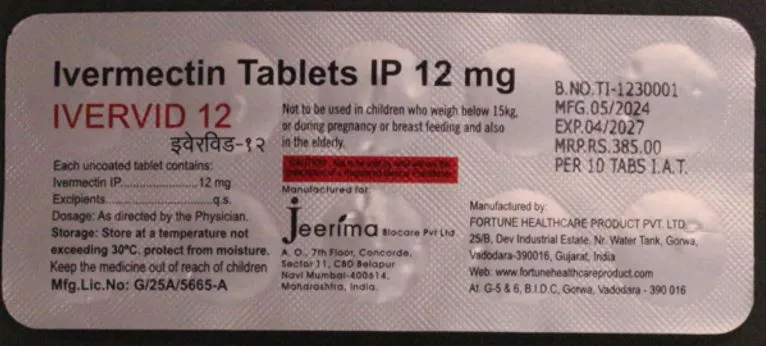
Description
Picture a 60 kg adult returning from months of travel with a persistent rash, mild stomach upset and a blood test that shows raised eosinophils. A doctor suspects a parasite, orders a stool test and, after the result, reaches for a weight-based antiparasitic. That scenario is where Ivermectin 12 mg often enters the picture. This guide walks through adult dosing logic, travel-related infections, what to expect during and after treatment, and the safety rules that matter most.
Please note: ivermectin is a prescription medicine. It is not approved for the prevention or treatment of viral infections such as COVID-19, and health agencies warn against the use of veterinary ivermectin in people. This page is educational and not a substitute for professional advice.
Ivermectin 12 mg Summary
| Active ingredient | Ivermectin |
|---|---|
| Strength | 12 mg per tablet |
| Class | Macrocyclic lactone antiparasitic |
| Typical adult weight range matched | Around 60 kg at 0.2 mg/kg (illustrative) |
| Common uses | Strongyloidiasis, onchocerciasis, scabies (country-dependent), selected travel-related infections |
| Status | Prescription medicine in most regions |
| Related strengths | 6 mg, 20 mg |
Adult Dosing Walk-Throughs (Illustrations Only)
Prescribers usually start with a body-weight calculation. The commonly cited reference for several indications is 200 micrograms per kilogram, or 0.2 mg per kg. The examples below show how the arithmetic works and why a 12 mg unit sits at the centre of the range. They are explanatory exercises, not instructions to take any amount.
Walk-through 1: a 60 kg adult
Weight 60 kg multiplied by 0.2 mg per kg gives 12 mg. A single 12 mg tablet matches the figure exactly, so no tablet counting or splitting is needed.
Walk-through 2: a 72 kg adult
72 multiplied by 0.2 gives 14.4 mg. A prescriber might round to the nearest practical unit based on the product leaflet and local guidance, perhaps using a combination of strengths. This shows why having several strengths is useful.
Walk-through 3: a 48 kg adult
48 multiplied by 0.2 gives 9.6 mg. Here a combination of smaller units may be more convenient, such as a 6 mg tablet plus 3 mg tablets, again subject to clinical judgement.
The take-home message
The tablet strength is a building block. The final amount depends on weight, diagnosis, the label and the prescriber, and it is never something to estimate at home. If you also compare Ivermectin 3 mg and Ivermectin 24 mg, you will see how the whole range spans light to heavy weights.
How Ivermectin Works
Ivermectin binds to glutamate-gated chloride channels found in the nerve and muscle cells of invertebrates. This opens the channels, lets chloride ions flood in and paralyses the parasite. Humans do not have these channels in the same form in their peripheral tissues, and a protective pump called P-glycoprotein keeps ivermectin out of the human brain, which is why the drug is well tolerated at approved doses. Because this mechanism differs from the tubulin-blocking action of benzimidazoles such as albendazole and mebendazole, ivermectin is chosen for different parasites. See albendazole vs mebendazole for the other family.
Travel Health: Parasites Ivermectin May Be Used For
Strongyloidiasis
Strongyloides larvae penetrate skin, travel to the lungs and gut and can complete their cycle inside the human body, which allows infection to last for decades. Travellers and long-term residents of warm, rural regions are at risk. Symptoms may be mild or absent, with occasional rash, cough or abdominal discomfort. A blood or stool test is needed to detect it. Because the infection can become life-threatening if the person later receives steroids, doctors treat it deliberately.
Cutaneous larva migrans
Sometimes called creeping eruption, this itchy, winding red track on the skin comes from animal hookworm larvae that enter bare skin on beaches or soil. Ivermectin is one of the recognised treatments.
Onchocerciasis
Blackfly-borne river blindness affects people in parts of Africa and a few other regions. Long-term residents face the highest risk, though occasional travellers are affected too.
Scabies
Travel, shared accommodation and crowded hostels can spread scabies. Treatment options include topical creams and, in many countries, oral ivermectin.
Prevention tips on the road
- Wear shoes or sandals on soil and wet sand.
- Use a towel or mat on beaches rather than lying directly on contaminated sand.
- Avoid sharing bedding or clothing in hostels and shared lodgings.
- Wash hands before eating and drink safe water.
- Seek testing if you develop unexplained itching, rashes or digestive symptoms after travel.
Before You Start: A Pre-Treatment Checklist
- Obtain a confirmed diagnosis wherever possible.
- Weigh yourself on a reliable scale and tell your clinician the number.
- List all medicines, supplements and herbal products.
- Mention pregnancy, breastfeeding or plans to conceive.
- Report any time spent in central Africa, where Loa loa occurs.
- Ask whether to take the tablet fasting or with food.
What to Expect After a Dose
Most people feel fine. Some notice mild dizziness, nausea or itching. Parasites begin to die within hours, but symptoms can take days to settle. For scabies, itching may continue for weeks. For strongyloidiasis, repeat stool or blood tests over several months may confirm clearance. If you were treated for onchocerciasis, you may experience fever, itching or swollen glands as larvae die, which clinicians sometimes manage with supportive medicines.
Safety Profile
Common side effects
- Dizziness, headache or drowsiness
- Nausea, vomiting, abdominal pain or diarrhoea
- Itching, rash or swollen glands
Serious warning signs
- Confusion, difficulty walking or seizures
- Severe skin reactions or swelling of the face or throat
- Very low blood pressure or fainting
- Vision problems after treatment for river blindness
Seek emergency help if any of these appear. A comparable overview for a related drug class is available in albendazole side effects.
Interactions With Other Medicines
- Warfarin: clotting values may change, so closer monitoring is advised.
- CYP3A4 inhibitors: certain antifungals, macrolide antibiotics and HIV protease inhibitors can raise ivermectin levels.
- P-glycoprotein inhibitors: some heart and immune medicines can increase brain exposure to ivermectin.
- Enzyme inducers: some anticonvulsants and herbal products such as St John’s wort may lower levels.
Always show your pharmacist the full list of what you take.
How Long Does Ivermectin Stay in Your System?
The elimination half-life is roughly eighteen hours for the parent drug, with metabolites lasting a few days. Most of it leaves through the faeces, and most people clear it within about a week. For a comparison, read how long albendazole stays in your system.
Pregnancy and Breastfeeding
Human data on ivermectin in pregnancy are limited, though large mass-treatment programmes have not shown clear harm. Because of the uncertainty, clinicians generally weigh the severity of the infection against potential risks. Small amounts pass into breast milk, and guidance differs by situation. Always get tailored advice.
Common Mistakes to Avoid
- Self-prescribing without testing.
- Using veterinary products.
- Taking extra tablets because symptoms persist.
- Forgetting the repeat dose when one is planned.
- Skipping household treatment for scabies.
- Combining with alcohol heavily, which can worsen dizziness.
Comparing Ivermectin 12 mg With Other Antiparasitic Products
| Product | Strength of the product | Limit |
|---|---|---|
| Ivermectin 12 mg | Skin, strongyloides and filarial parasites; weight-matched unit for many adults | Not for tapeworms; weight-based |
| Mebendazole 500 mg | Common gut worms | Little action outside the gut |
| Mebendazole 200 mg | Flexible multi-day schedules | Gut-focused only |
Storage and Authenticity
Store in the original packaging at room temperature away from light and moisture. Keep out of reach of children and animals. Check the strength printed on the pack, the batch number and the expiry date. Compare the tablet with the leaflet description. Avoid products sold for horses or livestock.
Travel Medicine Consultations: What to Expect
If you return from abroad with symptoms, a travel-medicine clinic or tropical disease unit can be a useful first stop. Expect a detailed history that includes every country visited, the dates, the type of accommodation, water sources, food, outdoor activities, insect bites, freshwater contact, animal exposure and any illness among companions. Examination may include the skin, abdomen, lymph glands and eyes. Typical tests are a full blood count with eosinophils, stool microscopy, serology for specific parasites and sometimes imaging.
| Exposure | Parasites doctors may consider |
|---|---|
| Walking barefoot on soil or beaches | Hookworm, Strongyloides, cutaneous larva migrans |
| Freshwater swimming in Africa | Schistosomiasis (needs a different drug) |
| Riverside stays in endemic regions | Onchocerciasis |
| Shared hostel bedding | Scabies, lice, bed bugs |
| Street food and untreated water | Giardia, amoebae, roundworm, whipworm |
This table shows why testing is so important. Not every travel parasite responds to ivermectin, so identifying the cause avoids treating the wrong thing.
Long-Term Residents and Returning Expatriates
Strongyloides is a special concern for people who lived in endemic areas years ago. Because the worm can persist silently, a person may carry it for decades. Doctors often screen such patients before starting corticosteroids, chemotherapy or biologic drugs. If you lived abroad in a tropical region and are about to begin immune-suppressing therapy, mention your history. Screening and treatment beforehand can prevent a dangerous hyperinfection.
Adult Safety Considerations in Detail
Older adults
Dizziness can increase the risk of falls. Review all other medicines, particularly sedatives, blood-pressure tablets and anticoagulants. Take the first dose at a time when someone is nearby.
People with liver or kidney disease
Ivermectin is processed by the liver, so significant liver disease calls for medical review. Kidney disease has less direct impact on dosing, but overall health still matters.
People with HIV or other immune conditions
Some HIV medicines interact with ivermectin through shared enzyme pathways. Ask the HIV clinic pharmacist for guidance. Immune-suppressed patients may also need extended or repeated courses for strongyloidiasis.
Drivers and machine operators
Because dizziness and drowsiness are possible, avoid driving or operating machinery until you know how the medicine affects you.
Fasting Versus Fed Dosing: Why It Matters
Studies show that taking ivermectin with a high-fat meal can raise blood levels considerably compared with taking it fasting. Some product labels recommend fasting dosing with water, while certain clinical situations favour dosing with food to increase exposure. Changing from one approach to the other without advice can alter how much drug your body absorbs. Pick the method your leaflet or prescriber specifies and stick with it for the whole course.
Keeping a Treatment Diary
A simple diary helps you and your clinician see what happened. Record your weight, the date and time of each dose, whether you took it with food, any symptoms in the following days, and the date of any repeat dose. Add notes about itching, rash, digestive changes and energy. Bring the diary to follow-up visits. If you are treating several family members, keep a separate page for each person.
Misconceptions About Antiparasitic Treatment in Adults
- “A parasite cleanse is good for everyone.” There is no evidence that routine cleansing benefits healthy people in low-risk settings, and unnecessary drugs carry risks.
- “If I feel fine, I cannot have a parasite.” Strongyloides and other infections can be silent for years.
- “A blood test for eosinophils proves worms.” Raised eosinophils have many causes, including allergies and drug reactions.
- “Natural remedies make tablets unnecessary.” There is little reliable evidence that herbs clear established infections.
Understanding the Eosinophil Clue
Eosinophils are a type of white blood cell involved in allergic reactions and in defence against parasites. A raised count after travel can hint at a worm infection that migrates through tissues, such as strongyloidiasis, but it is not proof. Other causes include asthma, eczema, drug reactions and certain autoimmune conditions. A normal count does not rule out infection either, because some long-standing infections, including chronic strongyloidiasis, can show normal values for periods. That is why doctors combine blood tests with stool tests, serology and symptoms.
Testing for Strongyloides: Why More Than One Sample Helps
Strongyloides larvae are shed irregularly in the stool, and a single sample can miss them. Laboratories may use special concentration or culture methods, and clinicians often request several samples on different days. Blood antibody tests can help, though they may cross-react with other parasites and can remain positive after treatment. A negative result in a person with strong exposure and unexplained symptoms may prompt repeat testing, and the final decision rests with an infectious diseases or tropical medicine specialist.
What Follow-Up Looks Like
- Short term: a call or visit within a few weeks to review symptoms and side effects.
- Medium term: repeat stool tests at intervals set by the clinician.
- Longer term: serology may be repeated after several months, since antibody levels fall gradually when treatment succeeds.
- Special cases: people who will start immune-suppressing drugs may need confirmation of cure before treatment begins.
Skin Parasites and Travel: The Beach Rash
Cutaneous larva migrans deserves a closer look because it is one of the most common skin conditions among travellers returning from tropical beaches. Larvae of animal hookworms, shed in the faeces of dogs and cats, penetrate bare skin and wander just beneath the surface, producing a red, raised, serpentine track that advances by a few millimetres to a couple of centimetres a day. The itch can be intense. The infection is self-limiting over weeks to months, but treatment shortens the course and relieves symptoms. A single oral dose of ivermectin is a commonly used option in many guidelines, while topical treatments are alternatives. A clinician makes that decision.
Avoiding the beach rash
- Do not walk barefoot on beaches where dogs and cats roam.
- Use a thick towel or lounger instead of lying directly on sand.
- Avoid sitting on damp sand near the high-tide line, where larvae concentrate.
- Shake out towels and dry off thoroughly after swimming.
Hostel and Shared-Accommodation Hygiene
Backpackers and workers in shared dormitories face higher exposure to scabies, lice and bed bugs. Practical steps include inspecting mattresses for dark spots and small bugs, keeping luggage off the floor and bed, using your own sleeping bag liner, washing clothing at high temperature when you return home and checking skin for burrows or bites. If you notice itching with a night-time pattern, see a doctor rather than waiting for it to resolve.
Returning to Work and Social Life
People often ask when it is safe to go back to normal life after treatment. For scabies, many guidelines suggest that a person is no longer considered infectious after effective treatment has been given, though local rules vary. For strongyloidiasis and most other parasitic infections, there is little risk of person-to-person spread in everyday settings. If you work in healthcare, food handling or childcare, ask your occupational health service for specific guidance.
Sample Questions to Ask a Travel-Medicine Clinician
- Which tests do I need, and how long will results take?
- Could any of the parasites you are looking for need a different drug from ivermectin?
- Do I need to avoid anything while I am waiting for results?
- Will my other regular medicines interact with treatment?
- When will you retest to confirm the infection has cleared?
- What should I do on my next trip to lower the risk?
Putting It All Together: A Sample Patient Journey
To see how the pieces fit, follow a fictional adult through the process. The details are illustrative only.
- Symptoms. After four months of travel through several warm countries, she develops an itchy rash at the waist and intermittent stomach upset.
- Appointment. She books a travel-medicine visit and brings a list of countries, dates and medicines. She also notes that she often walked barefoot on beaches.
- Tests. The clinic orders a blood count, several stool samples and a blood test for Strongyloides antibodies. The eosinophil count is mildly raised.
- Diagnosis. A stool culture finds Strongyloides larvae. The doctor also notes tracks on the skin consistent with larva migrans.
- Treatment plan. After checking her weight, other medicines and pregnancy status, the doctor prescribes ivermectin and explains whether to take it fasting or with food.
- After treatment. She notes mild dizziness for a day. The rash fades over two weeks.
- Follow-up. Repeat stool tests and a later blood test confirm that the infection has cleared.
This example underlines three themes: diagnosis comes first, dosing depends on weight and circumstances, and follow-up completes the job.
Budgeting and Practicalities for Travellers
If you travel often to endemic regions, consider keeping a copy of your medical records, including past test results and treatments, so any future doctor can see them. Check whether your travel insurance covers consultations and tests after you return. Keep medicines in their original packaging in carry-on luggage, along with the leaflet or prescription, because customs officers in some countries require documentation. Do not carry loose tablets in unmarked containers.
Final Reminders for Adults Considering Treatment
Whether you are preparing for travel, recovering from it or supporting a family member, a few principles apply. Seek a diagnosis before treatment. Give your clinician accurate information about weight, medicines, pregnancy and travel. Read the leaflet for the product you actually hold. Complete the course and follow-up. Keep medicines secure and never share them. If something feels wrong after a dose, contact a professional promptly rather than waiting.
Frequently Asked Questions
Is ivermectin 12 mg the standard adult tablet?
It is a common strength for adults around 60 kg, but the right amount depends on weight and diagnosis.
Can I take it with food?
Follow the leaflet. Food can change absorption, so consistency matters.
Do I need follow-up tests?
For strongyloidiasis, yes, since confirming clearance is important.
Can I use it for COVID-19?
No. This use is not supported by regulators or major trials.
Can I drink alcohol?
There is no classic interaction, but alcohol may add to dizziness. Moderation is wise.
What if I vomit after taking it?
Ask a pharmacist. Do not repeat the dose on your own.
Can I split a 12 mg tablet?
Only if scored and a prescriber has told you to do so.
Does ivermectin treat all worms?
No. Tapeworms, flukes and many gut worms need other drugs.
Trusted Sources
Summary
Ivermectin 12 mg is the mid-range tablet in a weight-based family, well matched to the arithmetic for many adults. It is used for strongyloidiasis, onchocerciasis and, depending on the country, scabies, and it fits into travel-health care when a diagnosis has been made. Use it only under professional direction, and never for viral illness or in veterinary form.
Disclaimer: General information only; not medical advice.







Reviews
There are no reviews yet.