
Description
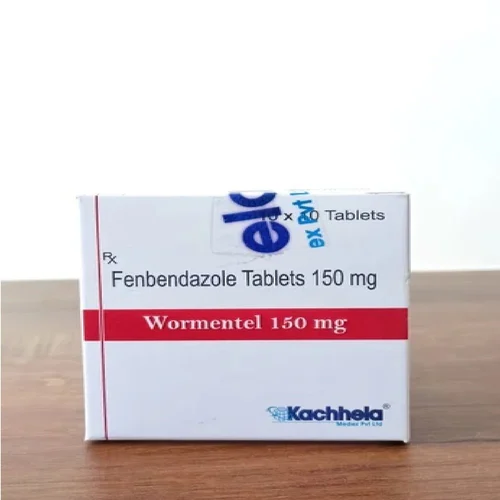
Small bodies need small, accurate doses. Fenbendazole 150 mg is the lowest-strength unit in our veterinary fenbendazole range, and it is designed for situations where precision matters more than convenience: puppies, kittens, small breeds, young stock and animals that must be dosed in carefully built increments. This guide walks through the life of a young animal’s parasite risks, how a small unit helps with dose building, and what keepers and veterinary teams should know about safety, hygiene and regulation.
Please note: fenbendazole is a veterinary medicine. It is not approved for human use and nothing on this page suggests it treats any human condition. If you want information about human-approved deworming medicines, read albendazole for pinworms and speak with a doctor or pharmacist.
Fenbendazole 150 mg Overview
| Active ingredient | Fenbendazole |
|---|---|
| Strength | 150 mg per unit |
| Role in the range | Smallest unit, for fine dose building |
| Class | Benzimidazole anthelmintic |
| Typical targets (animals) | Roundworms, hookworms, whipworms and Taenia tapeworms |
| Human status | Not approved for human use |
| Companion strengths | 222 mg, 444 mg |
Why a Smaller Unit Is Useful
When a drug is dosed by weight, the lighter the patient, the smaller the amount required, and the more any rounding error matters. Giving a 3 kg kitten an amount that is ten percent too high is a different proposition from giving the same percentage error to a 40 kg dog. A 150 mg unit gives prescribers a smaller increment to work with, which makes it easier to reach the intended amount for lightweight animals without breaking tablets into awkward fragments.
Small units also help in multi-animal settings such as breeding kennels, catteries, rescue shelters and small farms, where animals vary widely in weight. Having 150 mg alongside larger strengths lets staff build each animal’s dose from whole units wherever possible.
A worked illustration of dose building
The principle is easiest to see with round numbers. Imagine a prescriber has calculated that a particular animal needs 300 mg per day. That is exactly two 150 mg tablets, one 222 mg tablet plus a fraction of another, or less than one 444 mg tablet. Only the first option uses whole units without cutting. This example is deliberately generic and is not a dosing recommendation. The real amount depends on the species, weight, parasite and product label, and it must be set by a veterinarian.
The Young Animal’s Parasite Timeline
Many people are surprised to learn how early parasites can arrive. The following timeline is typical for puppies and kittens, although exact schedules vary by region and by veterinarian.
- Before birth and through milk: some roundworm and hookworm larvae lie dormant in an adult female’s tissues and become active during pregnancy, passing to the young either across the placenta or in milk.
- Two to three weeks of age: a first treatment is often recommended, because infections can already be established.
- Weeks four to twelve: repeat treatments are common, timed to catch worms that mature after earlier treatments.
- Adolescence: routine control continues, and a veterinarian may recommend egg-count testing to decide the intervals.
- Adulthood: frequency is adjusted to lifestyle, local parasite pressure and test results.
A product intended for adult animals may not be appropriate for newborns, so product labels, age limits and a vet’s advice must come first.
Parasites Commonly Involved in Small and Young Animals
Roundworms
These are the most frequent culprits in puppies and kittens. Heavy burdens cause a pot belly, dull coat, slow growth and sometimes vomiting. Eggs are tough and can remain infective in soil for months, so hygiene is vital.
Hookworms
Small but dangerous, hookworms feed on blood and can cause anaemia that is serious in young animals. Signs include pale gums, weakness and dark, tarry stool.
Whipworms
Whipworm infections tend to appear in older puppies and adults. They cause chronic, mucus-covered diarrhoea and are known for returning, since eggs survive in the environment for years.
Taenia tapeworms
Animals pick these up by eating infected prey or raw meat. Rice-like segments may be seen near the tail. Fenbendazole acts against Taenia species, but not the flea-borne tapeworm, so flea control is a separate part of the plan.
Giardia
This single-celled parasite is not a worm, but fenbendazole is sometimes included in veterinary protocols for it. Whether it is appropriate is a vet’s decision.
Safety Considerations for Small Animals
- Age and weight limits: always check that the product is suitable for the animal’s age and weight.
- Pregnancy and lactation: use only if a veterinarian approves it for that situation.
- Species differences: some birds and reptiles can react badly to benzimidazoles. Do not assume a dog or cat product suits other species.
- Observe after dosing: mild digestive upset can happen. Contact a vet if vomiting, lethargy or diarrhoea persists.
- Do not combine products blindly: using several antiparasitic products at once without advice can cause avoidable toxicity.
Household safety
Many pets are given tablets in treats or soft food. Keep the original pack in a secure cupboard, because a curious dog that finds a full blister can swallow far more than intended. Wash hands after handling tablets and cleaning up after treated animals, particularly where children live in the home, since some animal roundworms can infect people if eggs are swallowed.
Zoonotic Risk and Everyday Hygiene
Some animal worms can occasionally infect humans, a situation called zoonosis. Toxocara eggs from dog and cat faeces can be swallowed by children playing in contaminated soil, leading in rare cases to larval migration in the body. Hookworm larvae can penetrate bare skin. Simple habits greatly reduce the risk:
- Pick up faeces promptly and dispose of them hygienically.
- Keep sandpits covered and discourage pets from using children’s play areas.
- Wash hands after gardening or playing outdoors.
- Cover bare skin on contaminated soil or sand where possible.
- Keep pets on a veterinarian-guided deworming schedule.
If someone in your family develops persistent unexplained symptoms and has had contact with animals or soil, they should see a doctor. A clinician can order the right tests and prescribe a human-approved medicine, as described in our guides to albendazole vs mebendazole and albendazole side effects.
Fenbendazole 150 mg Versus Other Unit Sizes
| Feature | 150 mg | 222 mg | 444 mg |
|---|---|---|---|
| Best for | Small or young animals | Medium animals | Large animals |
| Flexibility in building a dose | Highest | Moderate | Lowest |
| Typical tablets per dose for a large animal | Many | Several | Fewest |
| Waste from splitting | Least likely | Moderate | Most likely if dose is small |
Common Mistakes in Small-Animal Deworming
- Estimating weight by eye. Weigh the animal. Kitchen or baby scales work well for tiny pets.
- Using adult product schedules for newborns. Young animals need age-specific protocols.
- Stopping early. Courses are designed around several days of exposure, and cutting them short can leave survivors.
- Forgetting the environment. Without cleaning, animals pick up worms again within days.
- Ignoring fleas. Tapeworm treatment often fails if the flea problem remains.
- Skipping follow-up. A faecal test a few weeks later confirms success.
Giving Tablets Calmly and Safely
Stress makes dosing harder and increases the chance that part of a tablet is spat out. A few practical ideas help: use a quiet room, have everything ready before you start, hide the tablet in a small amount of a favourite soft food if the label allows, and watch to make sure it is swallowed. For cats, a pill-pocket treat or a gentle pill-giving technique can help. If an animal refuses repeatedly, ask your vet about an alternative form instead of crushing tablets, because some tablets should not be crushed.
Storage and Shelf Life
Keep tablets in the original packaging in a cool, dry place away from sunlight. Store them out of reach of children and pets. Check the expiry date before each use. If a tablet crumbles, discolours or absorbs moisture, replace it. Dispose of leftover product through a veterinary or pharmacy take-back scheme.
Regulation and Responsible Purchase
Rules on selling and using veterinary medicines differ by country. In some places certain products are available over the counter, in others only on prescription. If you run a breeding kennel, rescue or farm, check what applies to you and keep purchase records. Buyers should ensure that the product is labelled for the intended species and that the strength printed on the packaging is the strength they expect.
Day-to-Day Care After a Dose
After giving fenbendazole to a small animal, a few simple checks help catch problems early. Make sure the whole tablet was swallowed and not spat out. Offer fresh water. Watch for vomiting, unusual tiredness or refusal to eat during the next day. Keep the animal’s bedding clean, because dead worms and eggs will be passed in the faeces in the days that follow. If you see worms in the stool, that is expected and usually a sign that treatment is working, but if the animal seems unwell, call your vet.
Small-Animal Weighing Tips
Accurate weight is the foundation of accurate dosing. Here are some practical ideas:
- Use a digital kitchen scale for kittens and very small puppies, placing them in a shallow container and subtracting the container’s weight.
- For larger puppies, weigh yourself holding the animal, then weigh yourself alone, and subtract.
- Weigh at the same time of day, ideally before feeding.
- Re-weigh young animals before each treatment, since they gain weight quickly.
- Write the number down, because memory is unreliable.
Growth Charts and Why Dosing Changes Week by Week
A healthy puppy can double its weight within a few weeks. That means the amount that was right at the first treatment may be too low at the next one. Many dosing errors in young animals come from reusing an old number. Treat each course as a fresh calculation, and ask your vet to review the plan at every visit.
Breed and Individual Considerations
Toy and miniature breeds
Very small dogs can have tiny margins for error, so a small unit and a precise scale are especially valuable. Their owners should avoid dividing tablets into fractions unless the vet instructs it.
Giant breeds
Large puppies grow fast and may need frequent weight checks, with unit strengths changing as they mature. A larger strength such as Fenbendazole 444 mg may become more convenient as they reach adult size.
Cats
Cats are often fussy about tablets and are sensitive to some drugs. Always check that a product is suitable for cats and follow veterinary guidance on how to administer it.
Rabbits, rodents and exotic pets
Dosing in small mammals, birds and reptiles is a specialist area. Do not apply dog or cat instructions to them. An exotic-animal veterinarian can advise whether fenbendazole is appropriate and how it should be given.
Rescue Shelters and Breeders: Programme Planning
Shelters and breeders handle many animals whose histories are unknown. A written protocol helps staff stay consistent. A sound protocol includes intake examination and weighing, faecal testing, a first treatment according to veterinary advice, scheduled repeat treatments for young animals, isolation of new arrivals, strict cleaning routines and records for each animal. Because shelters treat many animals at once, a stock of different strengths allows each animal’s dose to be built accurately without cutting up large quantities of tablets.
Frequently Misread Signs of Worm Problems
| Sign | Could be worms | Could also be |
|---|---|---|
| Pot belly in a puppy | Heavy roundworm burden | Normal puppy shape, overfeeding, other illness |
| Weight loss despite eating | Intestinal parasites | Diabetes, thyroid disease, poor-quality diet |
| Scooting | Tapeworm segments | Anal gland problems, skin irritation |
| Diarrhoea with mucus | Whipworm or giardia | Dietary upset, infections, inflammatory disease |
| Dull coat | Chronic parasitism | Poor diet, skin disease, hormonal problems |
Because signs overlap, a stool test and a veterinary examination are worth the small cost.
What About Human Worm Infections in the Household?
If a person in the household develops itching around the anus, abdominal pain or unexplained tiredness, the cure is not to use the pet’s medicine. Instead, see a doctor. They can confirm whether worms are present and prescribe a human-approved medicine. Our related pages on Mebendazole 200 mg and how long albendazole stays in your system explain how human treatments work, and why they are chosen carefully.
A Sample Care Calendar for a Puppy or Kitten (Discuss With Your Vet)
The following outline shows the kind of structure many veterinary teams use. It is not a prescription, and your vet will adapt it to the animal’s breed, health and region.
| Age | Typical focus |
|---|---|
| 2 to 3 weeks | First worming check and weighing |
| 4 to 6 weeks | Repeat treatment; begin flea prevention advice |
| 8 weeks | First vaccinations visit; worming review |
| 12 weeks | Weight check and repeat worming as advised |
| 6 months | Faecal test and plan for adult schedule |
| Adulthood | Testing or routine control according to lifestyle |
Why Dogs and Cats Eat Things That Spread Worms
Dogs scavenge, cats hunt, and both groom themselves. Each habit can pass parasites along. Dogs that eat faeces, carrion or raw offal can take in roundworm eggs or tapeworm cysts. Cats that catch mice and birds can pick up Taenia tapeworms. Understanding the behaviour helps you plan prevention: leash walking in contaminated areas, supervised outdoor time, keeping bins secure and feeding cooked or commercially prepared food.
Handling Tablets Safely at Home
- Store medicines in a locked or high cupboard, away from food.
- Wash your hands before and after giving tablets.
- Do not use the same pill cutter for human and pet medicines.
- Pregnant people should take care when handling animal medicines and should wear gloves if advised by the label.
- Keep the leaflet, which carries emergency advice.
When the Dewormer Does Not Seem to Work
If worms persist, work through a short checklist with your vet. Was the dose calculated from a current weight? Was the full course completed? Was a tablet vomited soon after being given? Is the animal being re-exposed in the environment? Could a different parasite be involved, such as tapeworms from fleas, which fenbendazole does not cover? Could resistance be a factor? A repeat stool test will usually answer these questions and point to the next step.
Quality Checks and Record Keeping for Breeders
Whether you keep one pet or fifty, a few habits protect your animals. Check each delivery for sealed packaging, the printed strength of 150 mg, a legible batch number and a sensible expiry date. Photograph the label when it arrives. Log each treatment with date, weight and units given. If an animal has an unexpected reaction, a clear record lets your veterinarian look into whether the product, the dose or something else was responsible, and it lets you report any concern to the supplier or regulator.
Pet-Owner Quick Checklist
- Weigh the animal today.
- Confirm with your vet that this strength and schedule are right.
- Give the tablet in a calm setting and watch it being swallowed.
- Clean up faeces promptly in the days that follow.
- Wash your hands and any bowls or bedding used.
- Book a follow-up stool test if your vet recommends one.
Working With Your Veterinarian
A short chat before each treatment pays off. Share the latest weight, any changes in appetite or stool, and details of other medicines, flea products or supplements. Ask which strength and how many units are right, whether to give the dose with food, and when to schedule the next check. If you foster or breed animals, request a printed schedule that you can pin up where everyone can see it. Good communication prevents the double-dosing mistakes that happen when two people each assume the other has already treated the animal.
It also helps to know your vet’s out-of-hours contact details in case of a bad reaction, and to keep the product pack and leaflet to hand when you call.
Preparing for Emergencies
Accidents happen, even in careful homes. If an animal swallows far more than the intended amount, or if a child or another pet eats tablets, call your veterinarian, a pet poison helpline or a human poison control centre straight away, and take the pack with you. Do not induce vomiting unless a professional tells you to. Keep emergency numbers on the fridge, and make sure everyone in the household knows where medicines are stored.
Prevention is simple: keep blister packs closed in a high cupboard, never leave tablets on a counter, and give the dose yourself instead of leaving it for someone else to do later.
Frequently Asked Questions
What is Fenbendazole 150 mg used for?
It is a veterinary dewormer used against common intestinal worms in animals, and the small unit helps with building precise doses for lighter patients.
Can people take Fenbendazole 150 mg?
No. It is not approved for human use. A doctor can prescribe a human-approved alternative if needed.
Is 150 mg weaker than 444 mg?
The tablet contains less active ingredient, but this does not make it a weaker medicine. Dose is calculated by weight, and different strengths simply provide different building blocks.
Can I use it on newborn puppies or kittens?
Only if a veterinarian confirms the product and schedule are suitable for that age.
How often should small pets be dewormed?
It depends on age, lifestyle and local parasite pressure. A veterinarian can recommend intervals and may suggest egg-count testing.
Why does my pet still have worms after treatment?
Re-infection from the environment, a different parasite, a missed course or resistance may be the cause. A follow-up test helps find out which.
Can I split a 150 mg tablet?
Only if the product is designed for it and your vet instructs you to do so.
Should I worry about worms spreading to my children?
Good hygiene and regular veterinary parasite control greatly reduce the risk. Speak to a doctor if a child has symptoms.
Trusted Resources
- CDC parasite information, including zoonotic infections
- WHO soil-transmitted helminth fact sheet
- DailyMed drug labels
Summary
Fenbendazole 150 mg is the small-unit option in a three-strength veterinary range. It supports accurate, whole-tablet dose building for lightweight and young animals, and it fits within a programme of age-appropriate treatment, hygiene, flea control and follow-up testing. It is for animals only. Pair it with veterinary guidance, accurate weighing and clean surroundings for the best results.
Disclaimer: General information only; not veterinary or medical advice. Fenbendazole is approved for animal use only.







Reviews
There are no reviews yet.