
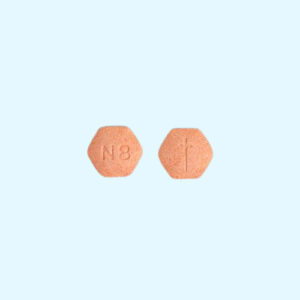
Description
Suboxone 8 mg is a prescription medication that is commonly employed in the management of opioid addiction. It comprises two active substances, buprenorphine, and naloxone, which act synergistically to suppress withdrawal symptoms and deter abuse. The medicine has been very effective in assisting addicts to cope with opioid addiction and move towards recovery.
Composition and Mechanism of Action
Suboxone contains two primary ingredients:
- Buprenorphine: A partial opioid agonist that acts on opioid receptors to suppress withdrawal symptoms and cravings without leading to the same high as full opioids.
- Naloxone: An opioid antagonist that prevents abuse. If taken as directed (sublingually), naloxone is virtually ineffective. If injected, however, it causes withdrawal effects, dissuading intravenous abuse.
Combined, these ingredients form a drug that is useful in the treatment of opioid dependence with a low potential for abuse.
Uses of Suboxone 8 mg
Suboxone 8 mg is mostly utilized in Medication-Assisted Treatment (MAT) for opioid dependence. It is usually prescribed as part of a well-rounded treatment regimen that involves behavioral therapy and counseling. The main objectives of Suboxone treatment are:
- Decreasing opioid withdrawal symptoms: It alleviates withdrawal discomfort, enabling people to discontinue the use of opioids more easily.
- Reducing cravings: Buprenorphine suppresses cravings, making relapse less likely.
- Preventing abuse: Having naloxone available prevents abuse through injection.
- Giving stability: With a controlled dose, patients can concentrate on healing without the wild fluctuations of opioid addiction.
Benefits of Suboxone 8 mg
Suboxone 8 mg has several advantages over other treatment options:
- Successful Withdrawal Management: In contrast to quitting opioids cold turkey (which can be extremely uncomfortable and risky), Suboxone is a more gradual transition.
- Lower Abuse Potential: The presence of naloxone lowers the risk of abuse, hence a safer alternative to full opioid agonists such as methadone.
- Convenience: In contrast to methadone, which needs to be taken every day at specialized clinics, Suboxone can be prescribed by certified physicians, giving patients greater freedom in their treatment.
- Enhanced Quality of Life: Suboxone patients tend to feel more stable and can devote time to work, relationships, and individual growth without being preoccupied with addiction.
Potential Side Effects
As with any medication, Suboxone 8 mg may produce side effects. Most are minor, but some are serious enough to need medical attention. Some of the most common side effects are:
- Nausea and vomiting
- Headache
- Constipation
- Sweating
- Dizziness
- Insomnia
In a few instances, more severe side effects can happen, including:
- Respiratory depression (particularly when used in combination with other depressants such as alcohol or benzodiazepines)
- Liver problems (symptoms include yellowing of the skin, dark-colored urine, and intense stomach pain)
- Allergic reactions (such as swelling, itching, or intense dizziness)
If any serious side effects are experienced, immediate medical care must be obtained.
Dosage and Administration
Suboxone 8 mg is administered sublingually (under the tongue and dissolved). It is crucial to adhere to the prescribed dose to be effective and reduce risks.
- Early treatment: Patients can begin on a reduced dose (e.g., 2 mg or 4 mg) and then be raised under close monitoring.
- Maintenance Phase: As soon as the withdrawal symptoms are stabilized, the dose is titrated according to the patient’s needs, usually between 8 mg and 24 mg daily.
- Tapering Off: Physicians may decrease the dosage over time to slowly wean people off the drug.
Considerations and Precautions
The factors to consider by patients before initiating Suboxone 8 mg are:
- Medical History: Inform your doctor of any liver problems, respiratory issues, or other health concerns.
- Drug Interactions: Do not combine Suboxone with alcohol, benzodiazepines, or other central nervous system depressants, as they can cause hazardous side effects.
- Pregnancy and Breastfeeding: Although Suboxone is occasionally used during pregnancy, the risks and benefits must be carefully considered.
- Dependence and Withdrawal: Although Suboxone is less addictive than whole opioids, abrupt cessation can lead to withdrawal. A tapering schedule is advised.
Suboxone vs. Other Treatments
There are a few medications to treat addiction to opioids, such as methadone and naltrexone. Both have their advantages and disadvantages:
- Methadone: A pure opioid agonist with high efficacy greater abuse liability and more severe controls.
- Naltrexone: An opioid antagonist used to prevent relapse but only after complete detox.
- Suboxone: Balanced treatment that diminishes cravings and withdrawal signs and lowers the potential for abuse.
For most patients, the optimal combination of efficacy and safety is Suboxone 8 mg.







12 reviews for Generic Suboxone 8 mg
There are no reviews yet.