
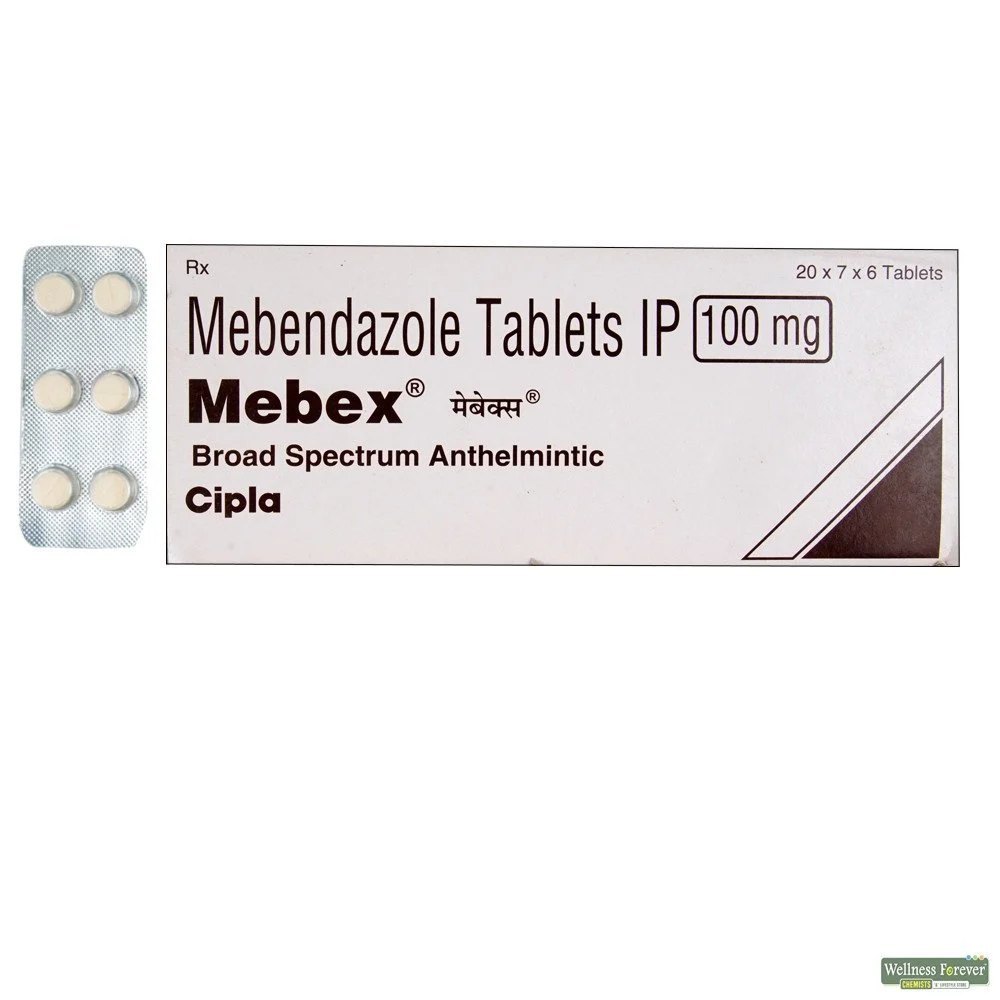
Description
Mebendazole 100 mg chewable tablets are an anthelmintic (anti-worm) medicine used to treat common intestinal worm infections in adults and children aged 2 years and over. In the United States, mebendazole 100 mg is sold under the brand name Emverm and is available by prescription only. This page explains what the medicine treats, how it is normally dosed, who should be careful with it, and what to expect during treatment.
Prescription required. Mebendazole 100 mg is supplied only against a valid prescription from a US-licensed prescriber. [PHARMACY NAME] will verify every prescription before dispensing. Pharmacy licence details: [STATE BOARD / LICENCE NUMBER / PHARMACIST-IN-CHARGE]. This page is for general information and does not replace advice from your doctor or pharmacist.
Mebendazole 100 mg at a glance
| Medicine | Mebendazole (anthelmintic) |
|---|---|
| Form and strength | 100 mg chewable tablet |
| US brand name | Emverm |
| Treats | Pinworm, whipworm, common roundworm, common hookworm and American hookworm |
| Age group | Adults and children 2 years and older |
| Availability | Prescription only in the US |
| Controlled substance? | No |
What is mebendazole used for?
Mebendazole is approved by the FDA to treat infections caused by several intestinal worms (helminths). These are the ones named on the US label:
- Pinworm (Enterobius vermicularis), the most common worm infection in US children and households.
- Whipworm (Trichuris trichiura).
- Common roundworm (Ascaris lumbricoides).
- Common hookworm (Ancylostoma duodenale) and American hookworm (Necator americanus).
It does not treat bacterial or viral infections, and it is not a general “detox” or cleanse. A prescriber normally confirms that worms are the likely cause before recommending it, for example after finding worms or eggs, or based on typical symptoms and exposure.
How does mebendazole work?
Mebendazole interferes with the way worms absorb glucose, the sugar they depend on for energy. Without it, the worms gradually lose their energy stores and die, and your body clears them in the stool. Very little of the medicine is absorbed into the bloodstream, which is why it acts mainly inside the gut and why side effects are usually mild.
Symptoms that can point to a worm infection
Many people have no symptoms at all. When symptoms do appear, they depend on the worm:
- Pinworm: itching around the anus, worse at night; restless sleep; sometimes irritability in children.
- Whipworm: abdominal pain, frequent loose stools, and in heavy infections, rectal prolapse in young children.
- Roundworm: vague abdominal discomfort, cough in the early stage, and sometimes visible worms in stool.
- Hookworm: itchy rash where larvae entered the skin, then abdominal pain, tiredness and iron-deficiency anaemia in longer infections.
These symptoms overlap with many other conditions. If you have them, speak to a healthcare professional rather than self-treating.
Typical US dosing for mebendazole 100 mg
Your prescriber sets your exact dose, and the instructions on your pharmacy label always come first. The standard schedules in the US prescribing information are:
| Infection | Usual schedule |
|---|---|
| Pinworm | One 100 mg tablet as a single dose. A second tablet is taken after 2 weeks if reinfection occurs. |
| Whipworm, common roundworm, hookworm | One 100 mg tablet in the morning and one in the evening for 3 consecutive days. |
The dose is the same for adults and for children aged 2 and over. It is not based on body weight.
How to take the tablet
- The tablet can be chewed, swallowed whole, or crushed and mixed with a little food.
- You do not need to fast, follow a special diet or take a laxative.
- Take it at the same times each day during a 3-day course, and finish the full course even if you feel better.
- If you miss a dose, take it when you remember unless the next dose is almost due. Do not double up.
Stopping the infection from coming back
Tablets clear the worms you have now, but eggs on hands, bedding and surfaces can restart the cycle. This is especially true for pinworm, which spreads easily within households. The CDC recommends these habits alongside treatment:
- Wash hands with soap and water after using the toilet, after changing diapers and before eating.
- Keep fingernails short and discourage nail-biting and scratching.
- Wash pyjamas, bed linen and towels in hot water the morning after treatment and dry on a hot setting.
- Shower in the morning to wash away eggs laid overnight.
- Clean bathroom surfaces and vacuum bedrooms.
- Ask your prescriber whether other household members should be treated at the same time. This is common for pinworm.
Possible side effects
Most people tolerate mebendazole well. The effects reported most often are:
- Abdominal pain or cramps
- Diarrhoea
- Gas (flatulence)
These are often caused by the worms leaving the gut and usually pass on their own. Rare but more serious effects have been reported, including allergic reactions, a drop in white blood cells, liver enzyme changes or hepatitis, kidney inflammation and seizures (mainly in infants under 12 months, for whom the medicine is not approved).
When to get medical help
Call your prescriber or seek urgent care if you notice:
- Swelling of the face, lips or throat, hives or difficulty breathing (call 911)
- Severe skin rash, blistering or peeling
- Yellowing of the skin or eyes, dark urine or severe stomach pain
- Fever, sore throat or unusual bruising
- A seizure
Who should be careful with mebendazole?
- Allergy: do not use it if you have had an allergic reaction to mebendazole or any ingredient in the tablet.
- Pregnancy: animal studies have shown harm to the developing baby at higher doses, so mebendazole is generally avoided in early pregnancy. Tell your prescriber if you are pregnant or might be.
- Breastfeeding: only small amounts are expected in breast milk, but ask your prescriber before use.
- Children under 2: the 100 mg chewable tablet is not approved for this age group.
- Liver disease: tell your prescriber, as liver effects have been reported.
Drug interactions
Tell your prescriber and pharmacist about everything you take, including over-the-counter medicines and supplements. Points worth knowing:
- Metronidazole: serious skin reactions (Stevens-Johnson syndrome and toxic epidermal necrolysis) have been reported when mebendazole is used with this antibiotic. The combination should be avoided unless your prescriber directs otherwise.
- Cimetidine: may raise mebendazole levels in the body.
This is not a complete list, so always check with a pharmacist before combining medicines.
Storage
Store the tablets at room temperature in the original packaging, away from moisture and out of the reach of children and pets. Do not use tablets past the expiry date.
Frequently asked questions
Do I need a prescription for mebendazole 100 mg in the US?
Yes. In the US, mebendazole 100 mg chewable tablets (Emverm) are prescription-only. Over-the-counter pinworm products that were once sold under other names are no longer widely available, so see a prescriber for diagnosis and treatment.
How long does mebendazole take to work?
The medicine starts acting within hours, but symptoms such as itching can take several days to settle. Worms and eggs are cleared over the following days to weeks, which is why hygiene steps matter.
Can the whole family take it at once?
For pinworm, treating all household members at the same time is often recommended because the infection spreads so easily. Your prescriber will decide who needs a prescription.
Can I drink alcohol while taking mebendazole?
The label does not list a direct alcohol interaction, but alcohol can worsen stomach upset and may add to any liver effects, so it is sensible to avoid it during treatment.
What if symptoms continue after treatment?
Reinfection is common. If symptoms last more than a few weeks after your course, or come back soon afterwards, go back to your prescriber, who may repeat treatment or look for another cause.
Trusted sources
- CDC: Pinworm information
- DailyMed: current mebendazole prescribing information
- MedlinePlus: drug information from the National Library of Medicine
Related reading
Medical disclaimer: this information is educational and was written from the US prescribing information at the time of writing. Always follow your prescriber’s instructions and check the current label on DailyMed. In an emergency, call 911. For poisoning or overdose questions, call Poison Control at 1-800-222-1222.







Reviews
There are no reviews yet.