
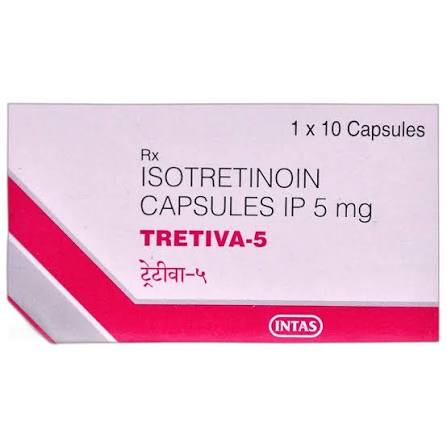
Description
Isotretinoin 5 mg Capsules: Low-Dose Treatment, Safety Rules and Monitoring in the UK
Isotretinoin is a powerful retinoid medicine used for severe acne that has not responded to other treatments, including courses of antibiotics. The 5 mg capsule is the smallest strength and is typically used where a prescriber wants fine control over the daily amount, for example when starting treatment gradually, adjusting the dose because of side effects, or following a low-dose or maintenance plan.
Isotretinoin can be very effective, but it is also one of the most tightly regulated medicines in the UK because it causes severe birth defects if taken during pregnancy. This page explains what the 5 mg capsule is for, how treatment is supervised, and the safety points every patient should know. It is general education and does not replace your specialist’s instructions.
Prescription-only medicine with strict controls. In the UK, oral isotretinoin can only be started by, or under the supervision of, a consultant dermatologist. It is dispensed only against a valid prescription and, for women who could become pregnant, under the Pregnancy Prevention Programme. We cannot supply it without a valid prescription.
Isotretinoin 5 mg at a Glance
| Medicine | Isotretinoin (oral retinoid) |
|---|---|
| Strength | 5 mg per capsule |
| Main use | Severe acne resistant to other treatment, under specialist care |
| Who prescribes it | Consultant dermatologist, or a prescriber working under their supervision |
| With food? | Take with a meal or milk, which improves absorption |
| Pregnancy | Must never be taken during pregnancy; the Pregnancy Prevention Programme applies |
| Prescription required | Yes |
What the 5 mg Capsule Is Used For
Doctors usually work out isotretinoin doses by body weight, aiming for a total amount over a full course rather than a fixed daily number. A 5 mg capsule makes it possible to reach the exact amount a prescriber wants, which is useful in several situations:
- Gradual starts: beginning at a low dose to see how your skin and body respond, then increasing if appropriate
- Dose adjustment: reducing the amount if dryness or other side effects are troublesome
- Low-dose or longer plans: some specialists use a smaller daily dose for a longer time in carefully chosen patients
- Combining strengths: building the exact daily dose with other capsule sizes
These approaches are decided by a specialist for each person. Never adjust the dose yourself or use capsules left over from someone else’s course.
The Pregnancy Prevention Programme (PPP)
Isotretinoin can cause serious harm to an unborn baby, including birth defects and miscarriage. In the UK, women and girls who could become pregnant must follow a Pregnancy Prevention Programme throughout treatment. In general terms, it involves:
- A negative pregnancy test before treatment starts, with testing repeated every month during treatment and about five weeks after the last dose
- Effective contraception, usually at least one highly effective method and often two, for at least one month before starting, throughout treatment and for one month after stopping
- Prescriptions limited to a short supply, up to 30 days, with a requirement to collect them within a short time after the pregnancy test
- A signed acknowledgement that you understand the risks, and a patient information card
If you think you could be pregnant at any point, stop taking the capsules and contact your doctor immediately. Do not become pregnant while taking isotretinoin or for one month afterwards. The MHRA’s isotretinoin safety guidance sets out the current rules.
How to Take Isotretinoin Capsules
- Follow your specialist’s instructions exactly. Check the number of capsules and how often.
- Take with a meal or a drink of milk. Isotretinoin is fat-soluble, so food helps your body absorb it.
- Swallow capsules whole with water. Do not chew or open them.
- Take at the same time each day.
- Keep every follow-up appointment and blood test.
If you miss a dose
Take it as soon as you remember, with food. If it is nearly time for the next dose, skip the missed one. Do not double up.
Common Side Effects (and Practical Fixes)
Most patients notice side effects, and they are mostly related to dryness. They usually ease after the dose is lowered or after treatment ends.
- Dry, cracked lips: use a plain lip balm several times a day.
- Dry skin: use a fragrance-free moisturiser and gentle cleanser; avoid harsh scrubs.
- Dry eyes: use lubricating eye drops; you may find contact lenses uncomfortable.
- Dry nose and nosebleeds: a simple nasal emollient can help.
- Sun sensitivity: use sunscreen (SPF 30 or higher) and avoid sunbeds.
- Muscle and joint aches: mention it to your specialist, especially after vigorous exercise.
- Brief acne flare: skin can look worse for the first few weeks before improving.
- Hair thinning or brittle nails: usually temporary.
Mood and Mental Health
Changes in mood, low mood, depression, anxiety and, rarely, thoughts of self-harm have been reported in people taking isotretinoin, although a clear link has not been proven and severe acne itself can affect mental health. Tell your specialist before starting if you have a history of depression or other mental health conditions. Family and friends can help by watching for changes in mood or behaviour.
If you feel persistently low, agitated, or have any thoughts of harming yourself, stop the capsules and contact your doctor straight away. If you are in immediate danger, call 999. You can also call Samaritans free at any time on 116 123.
Blood Tests and Monitoring
Isotretinoin can raise blood fats (cholesterol and triglycerides) and liver enzymes. Doctors usually check these before treatment and again about a month after starting, then at intervals decided by your specialist, often every three months. Do not skip these tests, as they catch problems before they cause symptoms.
Things to Avoid During Treatment
- Vitamin A supplements and high-dose multivitamins: isotretinoin is related to vitamin A, so taking both can cause overload.
- Tetracycline-type antibiotics (such as doxycycline, lymecycline and minocycline): combined use raises the risk of increased pressure around the brain.
- Waxing, laser treatment, dermabrasion and chemical peels: skin is fragile; guidance is usually to avoid these during treatment and for about six months afterwards.
- Blood donation: not during treatment and for at least one month after the last dose.
- Excessive alcohol: it can worsen liver and blood-fat effects.
- Other acne treatments that dry or irritate the skin: only use them if your specialist agrees.
Serious Side Effects: When to Get Help
- Severe headache with vomiting or vision changes (possible raised pressure around the brain)
- Yellowing of the skin or eyes, dark urine or severe abdominal pain (liver problems)
- Severe stomach pain, bloody diarrhoea or severe pain on swallowing
- Persistent low mood, agitation or thoughts of self-harm
- Widespread rash, blistering or swelling of the face or throat
- Marked thirst, frequent urination or other signs of high blood sugar
- Sudden vision loss or poor night vision
Who Is Not Suitable
- Anyone who is pregnant or breastfeeding, or who cannot follow the Pregnancy Prevention Programme
- People with significant liver disease
- People with very high blood fat levels
- People taking vitamin A supplements or tetracycline antibiotics, unless a specialist advises otherwise
- Anyone with a past allergy to isotretinoin or to peanut or soya, as capsules may contain these ingredients (check the leaflet)
Other Treatments Your Specialist May Consider
Isotretinoin is generally reserved for severe cases. Before it is offered, doctors normally try topical treatments, an extended course of oral antibiotics, and for women sometimes hormonal options. If isotretinoin is not suitable for you, ask your specialist about alternatives.
Storage
- Keep in the original pack, at room temperature, away from light and damp.
- Keep out of reach of children.
- Return unused capsules to a pharmacy; never keep them for later or give them to others.
Frequently Asked Questions
Can I buy isotretinoin without seeing a dermatologist?
No. In the UK it must be started by, or under the supervision of, a consultant dermatologist, and supplied on a valid prescription.
How long does a course last?
Often 16 to 24 weeks, though some courses are longer. Your specialist decides the length based on your weight, the dose and how your skin responds.
Why is there a monthly pregnancy test?
Because the risk of serious birth defects is high. The tests are a legal safety requirement for people who could become pregnant.
Can I take isotretinoin with alcohol?
It is best to avoid excess alcohol, as it can add to the effect on your liver and blood fats.
Why does acne sometimes get worse at first?
An initial flare is common in the first weeks and usually settles as treatment continues.
Can men take isotretinoin?
Yes. Men do not need to follow the pregnancy prevention programme, but other monitoring and safety rules still apply.
Do I need contraception after finishing?
Yes. Women who could become pregnant must continue effective contraception for one month after the last capsule.
Is the 5 mg capsule weaker than the 10 mg?
It contains half the amount. Your specialist builds your daily dose from the capsule sizes that suit your weight and plan.
Where to Read More
See the NHS guide to isotretinoin for acne, the British Association of Dermatologists patient information, and the MHRA isotretinoin guidance. For other medicines on our site, see our antibiotic range.
Medical disclaimer: This information is for general education and does not replace advice from a qualified healthcare professional. Always follow your specialist’s instructions and the patient leaflet and card supplied with your medicine.







Reviews
There are no reviews yet.