
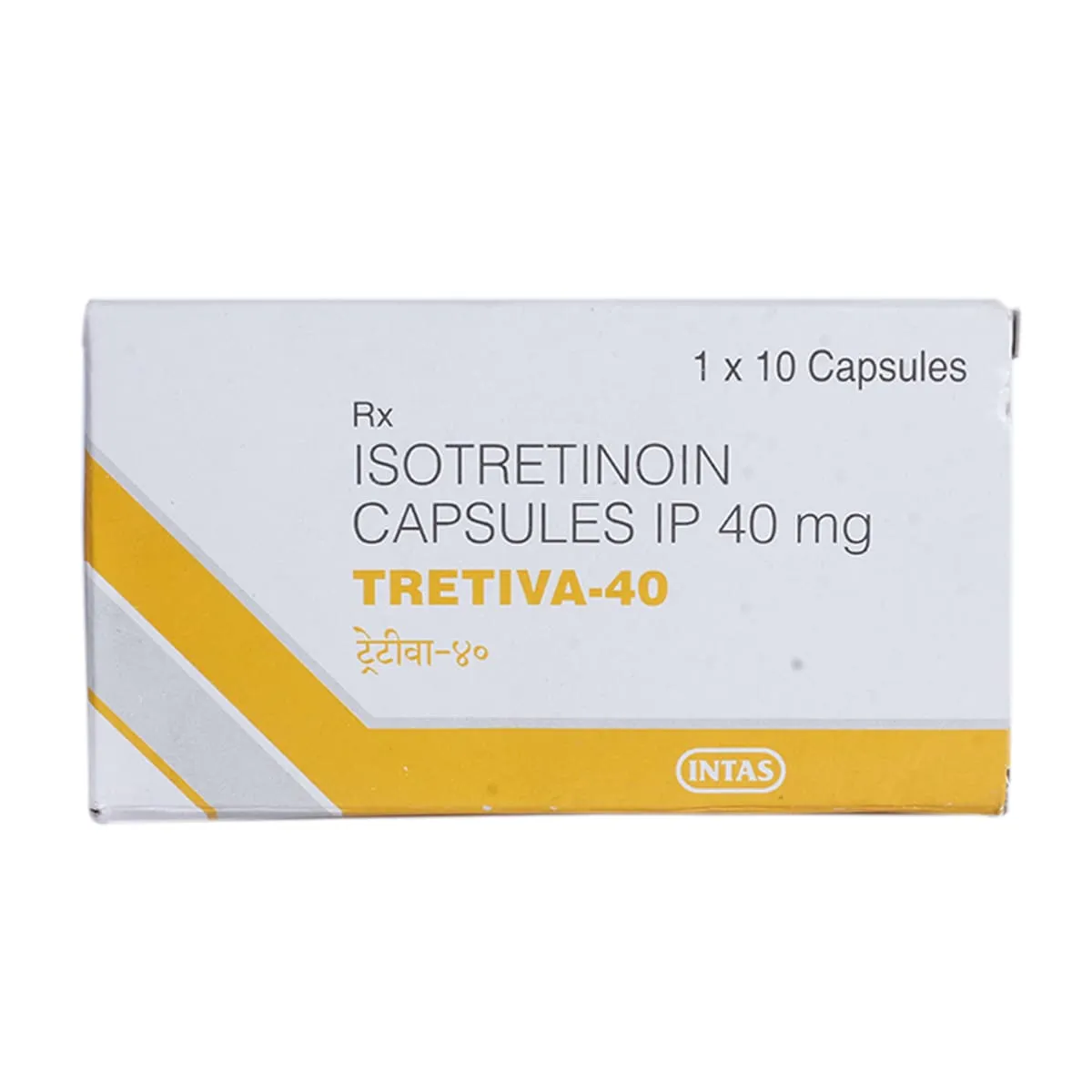
Description
Isotretinoin 40 mg Capsules: Higher Weight-Based Doses, What to Expect and How They Are Monitored
The 40 mg capsule is the largest standard strength of isotretinoin. Because isotretinoin is dosed by body weight, people who weigh more often need a higher daily amount to reach the total course dose their specialist is aiming for, and one 40 mg capsule can deliver that with fewer capsules per day. This page explains why a higher-strength capsule is chosen, how doses are balanced against side effects, and what monitoring is involved.
It is general education and does not replace your specialist’s instructions.
Prescription-only medicine with strict controls. In the UK, oral isotretinoin can only be started by, or under the supervision of, a consultant dermatologist, and is supplied only against a valid prescription. Women who could become pregnant must follow the Pregnancy Prevention Programme. We cannot supply it without a valid prescription.
Isotretinoin 40 mg at a Glance
| Medicine | Isotretinoin (oral retinoid) |
|---|---|
| Strength | 40 mg per capsule |
| Used for | Severe acne that has not responded to other treatment |
| Why this strength | Fewer capsules for higher weight-based daily doses |
| With food? | Yes, with a meal or milk |
| Pregnancy | Never to be taken during pregnancy |
| Prescription required | Yes |
Why a Specialist Might Use 40 mg Capsules
Specialists plan isotretinoin doses around body weight. A common approach is to work toward a total (cumulative) amount for the course, which means heavier patients need more medicine per day to finish in a reasonable time. A 40 mg capsule gives:
- Fewer capsules per day: one 40 mg capsule can replace two 20 mg capsules, which some people find easier.
- A practical way to reach higher daily doses without a long list of capsules.
- A convenient base dose, topped up with smaller strengths to reach the exact amount.
It is not a sign that your acne is more serious than someone on a lower strength. It reflects your weight and the plan your specialist has set. If you are building towards a higher dose gradually, the 10 mg and 20 mg capsules are usually used first.
Dose and Side Effects Go Together
Many isotretinoin side effects are dose-related. A higher daily dose often means more noticeable dryness, aches and effects on blood tests, although individual responses vary widely. That is why doses are generally increased step by step rather than started at the top, and why your specialist asks you to report problems rather than push through them.
What a higher dose can mean in practice
- More pronounced dry lips, skin and eyes
- Greater chance of nosebleeds and dry nasal passages
- More muscle and joint aching, particularly after exercise
- A greater effect on blood fats and liver enzymes, which is why testing matters
- Increased sun sensitivity
When the dose is lowered
If side effects are hard to manage, specialists commonly reduce the daily dose and extend the course instead of stopping. A 40 mg capsule is less flexible for fine adjustments, so your prescriber may switch to smaller capsules for those changes. Never cut, open or split capsules, and never change your dose yourself.
The Pregnancy Prevention Programme
The risk of serious birth defects applies at every dose. For anyone who could become pregnant, the programme generally includes:
- A negative pregnancy test before the first prescription, then every month during treatment, and about five weeks after the last capsule
- Effective contraception for at least one month before starting, throughout treatment and for one month after stopping
- Short prescription supplies of up to 30 days
- A signed acknowledgement of the risks and a patient information card
If you think you could be pregnant, stop taking the capsules and contact your doctor straight away. See the MHRA’s isotretinoin guidance for the current rules.
How to Take Isotretinoin 40 mg Capsules
- Follow your label exactly. Check how many capsules to take each day.
- Take with a meal or a drink of milk. Isotretinoin is fat-soluble, and food helps absorption.
- Swallow whole with water. Do not chew, crush or open the capsule.
- Take at about the same time each day.
- If you miss a dose, take it with food when you remember. If the next dose is nearly due, skip it. Never double up.
Monitoring at Higher Doses
Blood tests
Liver enzymes and blood fats are checked before treatment, usually again after about a month, and then at intervals. If results rise, your specialist may lower the dose, pause treatment or give advice on diet and lifestyle. Keep every appointment.
Check-ups
Your specialist will review your skin, your side effects, your weight if it has changed, and how you are feeling. Tell them if your weight changes significantly, since the dose is calculated from it.
Mood and Mental Health
Low mood, anxiety and, rarely, thoughts of self-harm have been reported with isotretinoin. A clear link is not proven, and severe acne itself can affect mental health. Let someone close to you know what to watch for.
If you feel persistently low or agitated or have any thoughts of harming yourself, stop the capsules and contact your doctor straight away. If you are in immediate danger, call 999. Samaritans are free on 116 123.
What to Avoid
- Vitamin A supplements and high-dose multivitamins
- Tetracycline-type antibiotics, such as doxycycline, lymecycline and minocycline
- Waxing, laser treatment, dermabrasion and chemical peels until about six months after you finish, unless your specialist advises otherwise
- Blood donation, during treatment and for at least one month afterwards
- Excessive alcohol
- Sunbeds and prolonged sun exposure
Getting Help Quickly
- Severe headache with vomiting or vision changes
- Yellowing of the skin or eyes, dark urine or severe abdominal pain
- Severe stomach pain, bloody diarrhoea or painful swallowing
- Persistent low mood or thoughts of self-harm
- Widespread rash, blistering or swelling of the face or throat
- Marked thirst or frequent urination
- Sudden loss of vision or poor night vision
Who Isotretinoin Is Not Suitable For
- Anyone who is pregnant or breastfeeding, or who cannot follow the Pregnancy Prevention Programme
- People with significant liver disease or very high blood fats
- People taking vitamin A supplements or tetracycline antibiotics, unless advised by a specialist
- Anyone allergic to isotretinoin, or to ingredients such as soya or peanut (check the leaflet)
Comparing the Strengths
| Strength | Typical role |
|---|---|
| 5 mg | Fine adjustment and low-dose plans |
| 10 mg | Starting treatment and building the dose |
| 20 mg | Core strength for full-course doses |
| 40 mg | Higher weight-based doses with fewer capsules |
Your prescriber chooses the combination. Never switch or combine strengths yourself.
Storage
- Keep in the original pack at room temperature, away from light and damp.
- Keep out of reach of children.
- Return unused capsules to a pharmacy; never share them.
Frequently Asked Questions
Is 40 mg the strongest dose of isotretinoin?
It is the largest capsule size, but your total daily dose depends on your weight and plan. Some people take less than one capsule a day, others take more.
Does a higher dose work faster?
Not necessarily. The total amount over the course matters most, and higher doses bring more side effects. Your specialist balances the two.
Why do I need blood tests?
Isotretinoin can raise liver enzymes and blood fats. Regular tests catch changes before they cause symptoms.
Can I drink alcohol on isotretinoin?
It is best to avoid excess alcohol, as it can add to the effect on your liver and blood fats.
What if my weight changes?
Tell your specialist, since your dose is calculated from your weight.
Can I split a 40 mg capsule?
No. Capsules must be swallowed whole. Ask your specialist if a smaller strength would suit you better.
Can I buy isotretinoin without seeing a dermatologist?
No. It must be started by, or under the supervision of, a consultant dermatologist and supplied on a valid prescription.
Where to Read More
See the NHS guide to isotretinoin for acne and the British Association of Dermatologists.
Medical disclaimer: This information is for general education and does not replace advice from a qualified healthcare professional. Always follow your specialist’s instructions and the patient leaflet and card supplied with your medicine.







Reviews
There are no reviews yet.