
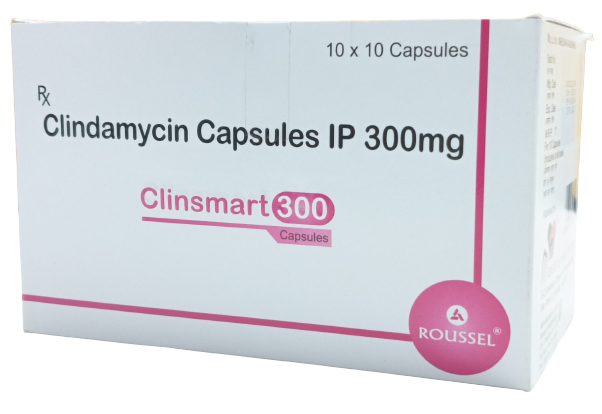
Description
Clindamycin 300 mg Capsules: When a Higher Strength Is Chosen and How to Take It Safely
Clindamycin 300 mg is the stronger of the two standard capsule sizes. Prescribers tend to reach for it when an infection is more established, sits deeper in the body, or needs a reliable higher dose without a long list of capsules. Typical examples include dental abscesses, skin abscesses and cellulitis, and, under specialist care, bone and joint infections.
This guide explains why 300 mg is chosen, what it treats, how to take it without harming your throat or stomach, and which warning signs need prompt action. It is general education and does not replace your prescriber’s instructions.
Prescription medicine. Clindamycin 300 mg is dispensed only against a valid prescription from a licensed clinician. We cannot supply it without one.
Clindamycin 300 mg Quick Facts
| Medicine | Clindamycin (lincosamide antibiotic) |
|---|---|
| Strength | 300 mg per capsule |
| Treats | Susceptible bacterial infections; not colds, flu or other viruses |
| Usual routine | Several doses a day; your label sets the exact schedule |
| With food? | Optional, but always with a full glass of water |
| Key warnings | Severe diarrhoea (C. difficile) and throat irritation from capsules |
| Prescription required | Yes |
Why a Prescriber Might Choose 300 mg
Strength is not a measure of how serious your illness is, but it does reflect how the dose has been built.
- Deeper or more established infections: abscesses and infections in tissue, joint or bone need enough medicine to reach the infected area, and a higher-strength capsule delivers it conveniently.
- Fewer capsules per dose: one 300 mg capsule can replace two 150 mg capsules, which may help you stay on schedule.
- Adults with a larger body size or a more serious condition: where the prescriber wants a firm dose from the start.
If a smaller or more flexible dose is needed, a prescriber may use the 150 mg strength instead. See our clindamycin 150 mg page for that side of the picture, including a detailed explanation of the C. difficile warning.
What Clindamycin 300 mg Is Commonly Prescribed For
Dental and mouth infections
Tooth abscesses and gum infections are among the best-known uses, especially for people allergic to penicillin. Clindamycin helps control the infection, but the underlying problem, such as an abscess or damaged tooth, still needs treatment by a dentist. If you have facial swelling that is spreading, a fever, or difficulty swallowing or opening your mouth, seek urgent care.
Skin and soft-tissue infections
Cellulitis, infected wounds, and abscesses may be treated with clindamycin, including some caused by resistant Staphylococcus strains. Large abscesses often need draining as well as antibiotics.
Bone and joint infections
Clindamycin reaches bone well, so it can be part of treatment for infections such as osteomyelitis or infected joints. These conditions are managed by specialists, often with imaging, blood tests and a longer treatment plan.
Chest and other infections
Selected respiratory infections, and some infections in the pelvis or abdomen, may be treated with clindamycin when the likely bacteria respond to it.
Preventive use
In certain circumstances, such as before some procedures in people who cannot take penicillin, a clinician may prescribe it as a preventive measure.
It does not treat viral illnesses such as colds, flu and most sore throats.
Taking 300 mg Capsules Without Harming Your Throat
A larger capsule makes correct technique more important. Clindamycin capsules can cause irritation or ulceration of the food pipe if they stick on the way down.
- Swallow with a full glass of water, not just a sip.
- Stay upright for at least 30 minutes afterwards, and do not take a dose right before lying down or going to sleep.
- Swallow whole. Do not open, crush or chew the capsule unless a pharmacist has told you it is safe.
- Space your doses evenly through the day.
- Finish the course unless a clinician tells you to stop.
If you have trouble swallowing capsules, tell your pharmacist. A liquid form may be available.
Missed dose
Take it as soon as you remember. If the next dose is almost due, skip the missed one. Never double up.
Diarrhoea: The Warning You Must Not Ignore
Clindamycin carries a higher-than-average risk of C. difficile infection, a bowel infection that can appear during treatment or for several weeks afterwards.
- Mild loose stools are common and often settle.
- Severe, watery or frequent diarrhoea, blood or mucus in the stool, stomach cramps or fever should prompt a call to a doctor the same day.
- Avoid anti-diarrhoea medicines such as loperamide unless a clinician tells you otherwise.
- Wash hands with soap and water, since alcohol gel does not kill the spores.
See the CDC’s C. difficile information for more.
Other Side Effects
Common
- Nausea, vomiting or stomach pain
- Metallic or unusual taste
- Mild skin rash
Seek medical advice promptly
- Hives, facial or throat swelling, wheezing or trouble breathing (an emergency)
- Widespread rash, blistering or peeling skin
- Yellow skin or eyes, dark urine or severe tiredness
- Painful swallowing, chest pain or a sensation of something stuck after taking a capsule
- Unusual bruising, bleeding or repeated infections
- Reduced urine or swelling that could point to kidney problems
Longer Courses and Monitoring
Deeper infections are often treated for weeks rather than days. If your course is long, your doctor may check your liver function, kidney function and blood counts at intervals. Attend these appointments and report symptoms promptly rather than waiting for the next test.
Medicines to Mention Before Starting
| Medicine | Why it matters |
|---|---|
| Muscle relaxants used in anaesthesia | Clindamycin can strengthen their effect; tell your surgical team |
| Erythromycin and other macrolides | May work against each other; usually avoided together |
| Warfarin and other blood thinners | Bleeding risk may change; monitoring may be needed |
| Rifampicin | May lower clindamycin levels |
| Strong CYP3A4 inhibitors or inducers | May alter levels |
Give your prescriber and pharmacist a complete list of everything you take, including supplements.
Who Needs Extra Care
- People with a history of colitis, bowel inflammation or C. difficile
- People with liver or kidney disease, where doses may need adjusting
- People with myasthenia gravis, because weakness can worsen
- Anyone with a previous reaction to clindamycin or lincomycin
- Pregnancy and breastfeeding: used only on a prescriber’s advice. Small amounts pass into breast milk, so a baby may develop loose stools and should be checked if they do.
- Older adults, who are more likely to have severe diarrhoea
Clindamycin and Alcohol
Alcohol does not block clindamycin, but it can add to nausea and tiredness and slow recovery. During a long course, or if you have liver problems, it is wise to avoid it.
300 mg vs 150 mg: A Simple Comparison
| Feature | 150 mg capsule | 300 mg capsule |
|---|---|---|
| Typical use | Milder infections or flexible dosing | Deeper or more established infections |
| Capsule size | Smaller; easier to swallow | Larger; needs more care with water and posture |
| Capsules per dose | Often more | Often fewer |
Your prescriber chooses the strength. Never switch between them or combine them yourself.
How It Compares With Other Antibiotics We List
| Antibiotic | Family | Contrast with clindamycin |
|---|---|---|
| Amoxicillin | Penicillin | First choice for many infections; not for penicillin allergy |
| Azithromycin | Macrolide | Short courses; stays in tissue for days |
| Clarithromycin | Macrolide | Twice daily; many interactions |
Using Antibiotics Wisely
Because of the C. difficile risk, clindamycin is used when it is the right tool rather than by default. Do not ask for antibiotics for viral illnesses, do not share or save capsules, and complete your prescribed course.
Storage
- Keep in the original pack, at room temperature, away from damp and heat.
- Keep out of reach of children.
- Do not use after the expiry date, and return leftovers to a pharmacy.
Frequently Asked Questions
Is clindamycin 300 mg stronger than 150 mg?
Each capsule contains twice as much medicine. The right strength depends on the infection and the plan your prescriber has written.
How long does clindamycin 300 mg take to work?
Many people feel better in two to three days. Deep infections can take longer and need follow-up. Contact your prescriber if you feel worse.
Why must I stay upright after taking it?
It helps the capsule travel down to the stomach and lowers the risk of irritating your food pipe.
Can I take it with food?
Yes. Food is optional, and a light meal can reduce stomach upset. Always use plenty of water.
Can clindamycin treat a dental abscess alone?
It can help control the infection, but the cause usually needs dental treatment, such as drainage or removal of the source.
What if I develop severe diarrhoea?
Contact a doctor promptly and avoid anti-diarrhoea medicines unless advised. Do not wait to finish the course.
Can I drink alcohol while taking it?
It does not stop the antibiotic working, but it is best avoided during illness and treatment.
Can I open the capsule?
Do not open or crush capsules unless your pharmacist says it is safe. Ask about a liquid form if swallowing is difficult.
Where to Read More
See the NHS clindamycin guide and the MedlinePlus clindamycin entry.
Medical disclaimer: This information is for general education and does not replace advice from a qualified healthcare professional. Always follow your prescriber’s instructions and the leaflet supplied with your medicine.







Reviews
There are no reviews yet.