
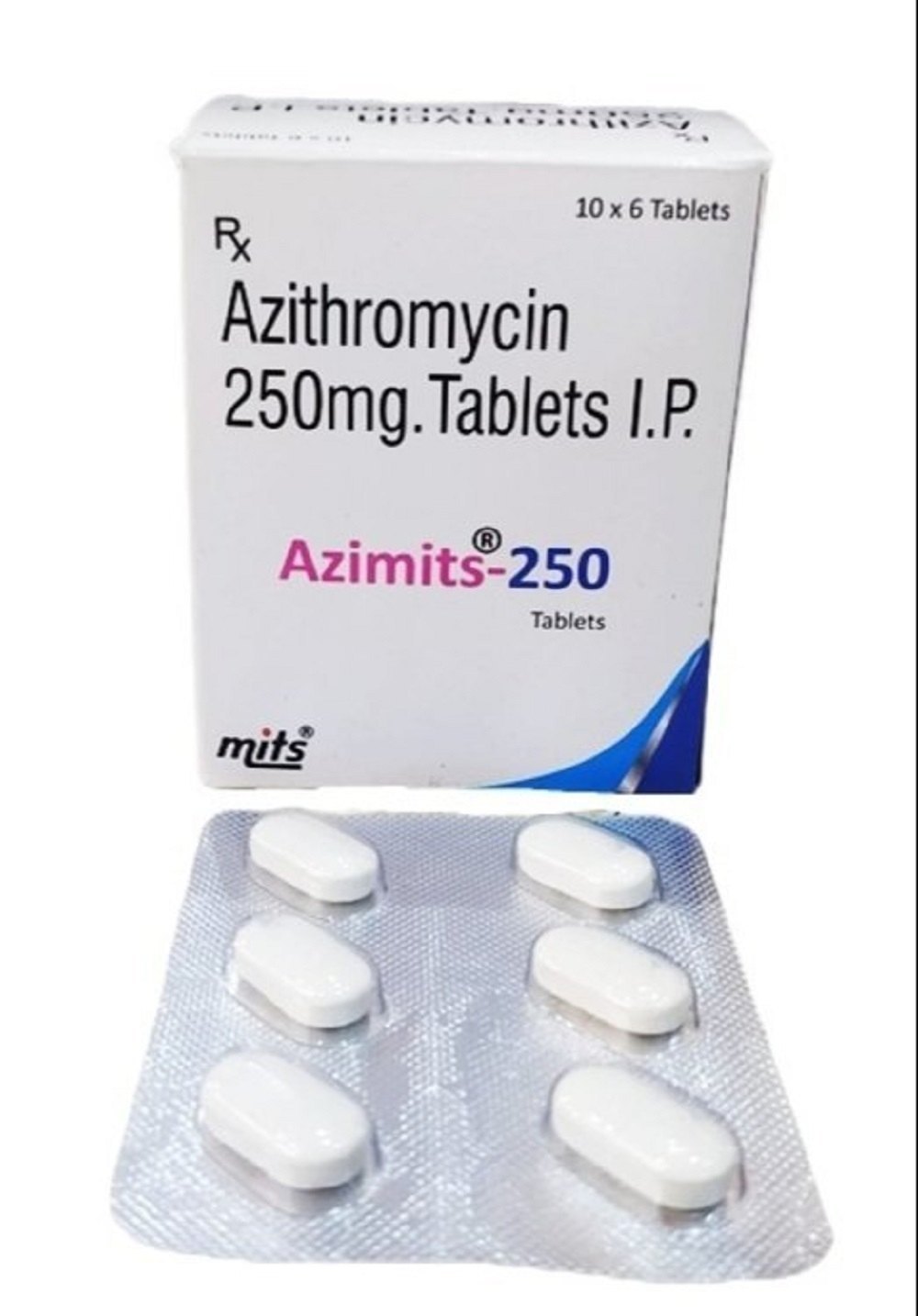
Description
Azithromycin 250 mg Tablets: How the Five-Day Course Works and What to Expect
If you have been given azithromycin 250 mg, you have probably also been handed a short, slightly unusual set of instructions: two tablets on the first day, then one a day after that. This is the course many people know as a Z-Pak, and the 250 mg tablet is the strength built for it.
This page walks through why the course is structured this way, what the 250 mg tablet is prescribed for, how to take it without mix-ups, and what to watch for. It is general education and does not replace your prescriber’s instructions.
Prescription medicine. Azithromycin 250 mg is dispensed only against a valid prescription. We cannot supply it without one.
Quick Facts: Azithromycin 250 mg
| Medicine | Azithromycin (macrolide antibiotic) |
|---|---|
| Strength | 250 mg per tablet |
| Treats | Certain bacterial infections; not viral illnesses |
| Well-known pattern | Two tablets on day 1, then one tablet daily on days 2 to 5 |
| With food? | Tablets may be taken with or without food |
| Prescription required | Yes |
Why the 250 mg Tablet Exists
The 250 mg strength gives prescribers room to build a course around a front-loaded first day. Taking a higher amount at the start brings the antibiotic up to working levels in the tissues quickly. Smaller daily doses then keep it there. Because azithromycin lingers in tissue after the last tablet, the whole treatment can finish in five days even though the medicine keeps acting for longer.
This is different from older antibiotics that need doses spread through every day for a week or more. It is also why a missed or doubled tablet matters more than people expect, which is covered below.
Reading Your Five-Day Course Day by Day
| Day | Typical pattern | What you may notice |
|---|---|---|
| Day 1 | Two 250 mg tablets | Possible mild nausea or loose stools |
| Day 2 | One 250 mg tablet | Little change yet for many people |
| Day 3 | One 250 mg tablet | Fever and ill feeling often start to ease |
| Day 4 | One 250 mg tablet | Symptoms usually improving |
| Day 5 | One 250 mg tablet | Course complete; effect continues for days |
This table shows a common pattern only. Your label and your prescriber decide your actual regimen. Some prescribers use 250 mg tablets differently, for example for adjusted or lower doses, so always follow what is printed on your own pack.
The most common mistake
People often read the label, see “one tablet” and forget that day one is two tablets. If your instructions say two tablets first, check the label before the first dose and set a phone reminder for the remaining days.
What Azithromycin 250 mg Is Prescribed For
- Mild to moderate chest infections where bacteria are the cause
- Throat, sinus and ear infections when penicillin is unsuitable
- Certain skin infections
- Some sexually transmitted infections, following current national guidance
- Specific cases of bacterial traveller’s diarrhoea
It is not a treatment for colds, flu or COVID-19. A clinician decides whether bacteria are the likely cause before prescribing.
How to Take Azithromycin 250 mg Tablets
- Read the label and confirm the number of tablets for each day.
- Swallow tablets whole with water, at about the same time each day.
- Take with food if your stomach is sensitive.
- Keep aluminium or magnesium antacids about two hours apart from your dose.
- Finish the course even if you feel better sooner.
If you miss a dose
Take it as soon as you remember unless the next dose is almost due. Do not double up to catch up. If you missed the larger day-one dose, ask your pharmacist how to proceed rather than guessing.
Side Effects of Azithromycin 250 mg
Common and usually mild
- Nausea, vomiting or stomach cramps
- Diarrhoea or loose stools
- Headache
Needs medical attention
- Severe, watery or bloody diarrhoea during or after treatment
- Rash, swelling of the face or throat, wheezing or trouble breathing
- Palpitations, fainting or a very irregular heartbeat
- Yellowing of the skin or eyes, dark urine or severe tiredness
- New hearing changes or ringing in the ears
Interactions to Mention to Your Pharmacist
- Warfarin: the effect on blood clotting may change.
- Medicines that affect heart rhythm: combining them can raise QT risk.
- Antacids with aluminium or magnesium: may reduce absorption.
- Ciclosporin, tacrolimus and digoxin: levels can rise.
- Ergot medicines for migraine: generally avoided together.
Who Should Be Extra Careful
Tell your prescriber before starting if you have heart rhythm problems, liver or kidney disease, myasthenia gravis, a history of allergy to macrolide antibiotics, or if you are pregnant or breastfeeding. Older adults may also be more sensitive to heart-rhythm effects.
Why 250 mg Is Often Chosen Over Other Strengths
- Flexibility: it allows a front-loaded first day followed by smaller doses.
- Dose adjustment: useful when a prescriber wants a smaller step than a 500 mg tablet allows.
- Familiarity: the five-day pattern is widely known, which can help adherence.
If your clinician prefers a once-daily single tablet instead, see our azithromycin 500 mg page for how that course differs.
Frequently Asked Questions
Is a Z-Pak the same as azithromycin 250 mg?
The Z-Pak is a branded blister pack of azithromycin 250 mg tablets arranged for a five-day course. The medicine inside is azithromycin.
How soon will I feel better?
Many people improve within two to three days. Contact your prescriber if you feel worse or see no change by then.
Can I drink alcohol on azithromycin 250 mg?
It is best to avoid or limit alcohol. It can worsen nausea, dehydration and tiredness.
Can I stop after three days if I feel fine?
No. Finish the full course unless a clinician tells you otherwise, because stopping early can let the infection return.
Can leftover tablets be used next time?
No. Never reuse leftovers. Return them to a pharmacy for safe disposal.
Does it work against viral infections?
No. Azithromycin treats bacterial infections only.
Learn More From Trusted Sources
Read the NHS azithromycin guide, the MedlinePlus entry, and the CDC antibiotic use pages. Also compare options on our amoxicillin 500 mg and clarithromycin 250 mg pages.
Medical disclaimer: This information is for general education and does not replace advice from a qualified healthcare professional. Always follow your prescriber’s instructions and the leaflet supplied with your medicine.








Reviews
There are no reviews yet.