
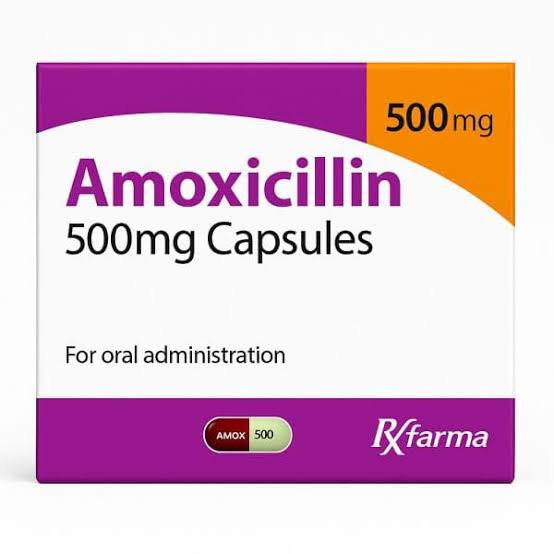
Description
Amoxicillin 500 mg: Your Guide to the Daily Routine, Allergy Warning Signs and Getting Through the Course
Amoxicillin is a penicillin-type antibiotic and one of the most commonly prescribed antibiotics worldwide. The 500 mg strength is the standard adult size, and it is used for a long list of everyday bacterial infections. Most questions people ask about it are practical: how often to take it, what happens if they are allergic to penicillin, and what is normal and what is not.
This guide is written around those questions. It is general education and does not replace the instructions from your prescriber or pharmacist.
Prescription medicine. Amoxicillin 500 mg is dispensed only against a valid prescription from a licensed clinician. We cannot supply it without one.
Amoxicillin 500 mg in Brief
| Medicine | Amoxicillin (aminopenicillin antibiotic) |
|---|---|
| Strength | 500 mg per capsule or tablet (form varies by product) |
| Treats | Susceptible bacterial infections; not colds, flu or other viruses |
| Usual routine | Often two or three times a day; your label sets the exact schedule |
| With food? | Can be taken with or without food |
| Not suitable for | Anyone with a penicillin allergy |
| Prescription required | Yes |
Start Here: Penicillin Allergy Check
Before anything else, the safety question that matters most with amoxicillin is allergy. Amoxicillin belongs to the penicillin family, so anyone with a true penicillin allergy should not take it. Tell your prescriber if you have ever had any reaction to penicillin, amoxicillin, ampicillin or related antibiotics.
Signs of an allergic reaction
- Hives, itchy rash or red blotchy skin
- Swelling of the lips, face, tongue or throat
- Wheezing, chest tightness or difficulty breathing
- Dizziness, fainting or a rapid pulse
If you notice swelling or breathing difficulty, treat it as an emergency and call emergency services. A mild rash should still be reported promptly, because some rashes are harmless and some are early warnings.
“I think I was allergic as a child”
Many people carry a penicillin allergy label from childhood that turns out to be wrong. If this applies to you, ask your doctor about allergy assessment. Having an accurate record can open up simpler, more effective treatment options.
What Amoxicillin 500 mg Is Prescribed For
- Respiratory infections: sinus infections, middle ear infections and some chest infections when bacteria are the cause
- Throat infections: bacterial tonsillitis or strep throat
- Dental infections: abscesses and some tooth-related infections
- Urinary tract infections: certain cases, depending on local resistance patterns
- Skin infections: selected mild bacterial cases
- Stomach infections: as part of combination treatment for Helicobacter pylori, prescribed with other medicines
It will not help a cold, flu or most sore throats, which are usually viral. Your clinician decides whether bacteria are the likely cause.
How the Routine Works
Amoxicillin leaves the body fairly quickly, which is why it is usually taken more than once a day. Keeping doses evenly spaced keeps the level in your body steady enough to fight the infection.
Example routine (follow your own label)
- Twice a day: roughly every 12 hours, for example morning and evening
- Three times a day: roughly every 8 hours, for example on waking, mid-afternoon and bedtime
The number of days varies with the infection, commonly from five to fourteen. Your prescriber chooses the schedule, and shorter is not always better or worse. Pick times you can remember and set phone alarms for the first few days.
Taking it correctly
- Swallow capsules or tablets whole with a full glass of water.
- Take with food if you get nausea.
- Space doses evenly across the day.
- Finish the full course, even if you feel better early.
If you miss a dose
Take it as soon as you remember. If it is almost time for the next dose, skip the missed one. Never double up. Ask your pharmacist if you are unsure.
What to Expect and When
- First 24 to 48 hours: pain and fever may begin to ease; some people feel little change yet.
- Day 3 onward: most bacterial infections show clear improvement.
- If not better by day 3: speak to your prescriber, since the bacteria may not be sensitive or the diagnosis may need review.
Side Effects of Amoxicillin
Common and usually mild
- Nausea or an upset stomach
- Loose stools or mild diarrhoea
- Mild skin rash that is not itchy or raised (still report it)
- Thrush, such as a white coating in the mouth or vaginal yeast infection
Seek medical advice promptly
- Severe, watery or bloody diarrhoea during or after treatment
- Widespread rash, blistering or peeling skin
- Yellowing of the skin or eyes, dark urine or unusual tiredness
- Unexplained bruising or bleeding
- Swelling, wheezing or difficulty breathing (emergency)
Medicines and Conditions to Mention
| Item | Why it matters |
|---|---|
| Warfarin and other blood thinners | Bleeding risk may change; extra monitoring may be needed |
| Methotrexate | Amoxicillin can raise methotrexate levels |
| Allopurinol | Increases the chance of skin rash |
| Probenecid | Can raise amoxicillin levels |
| Infectious mononucleosis (glandular fever) | Amoxicillin often causes a rash in this illness; usually avoided |
| Kidney disease | The dose may need adjusting |
Amoxicillin, the Contraceptive Pill and Alcohol
The pill: Amoxicillin is not known to make hormonal contraceptives less effective. Vomiting or severe diarrhoea can, though, so follow your pill’s leaflet.
Alcohol: Alcohol does not cancel amoxicillin, but it can worsen nausea, tiredness and dehydration. Most people feel better by waiting until the course is finished.
Pregnancy, Breastfeeding and Older Adults
- Pregnancy: Amoxicillin is commonly used in pregnancy when needed, but only on a prescriber’s advice.
- Breastfeeding: Small amounts pass into milk; watch the baby for loose stools or thrush and mention it to a clinician.
- Older adults: Kidney function matters, so dose adjustment may be needed.
Amoxicillin vs Other Common Antibiotics
| Antibiotic | Family | Main contrast with amoxicillin |
|---|---|---|
| Azithromycin | Macrolide | Shorter courses; used when penicillin is unsuitable |
| Clarithromycin | Macrolide | Twice daily; more medicine interactions |
| Clindamycin | Lincosamide | Often used for skin, dental and bone infections |
None of these are interchangeable. Your prescriber chooses based on the likely bacteria, your allergies and local resistance.
Antibiotic Resistance: Doing Your Part
Antibiotics lose effectiveness when they are overused. Do not ask for amoxicillin for colds or flu, never share or save tablets, and complete your course. Return leftovers to a pharmacy. The CDC’s antibiotic use pages explain why this matters.
Storage
- Keep in the original pack at room temperature, away from damp and heat.
- Keep out of reach of children.
- Do not use after the expiry date.
Frequently Asked Questions
How long does amoxicillin 500 mg take to work?
Many people feel better in two to three days. See your prescriber if there is no improvement by then.
Can I take amoxicillin on an empty stomach?
Yes. Food is optional and may reduce nausea.
Is it safe with alcohol?
It does not stop the antibiotic working, but it is best avoided during illness and treatment.
What if I get a rash?
Contact a clinician the same day. A flat, non-itchy rash may be harmless, but a raised itchy rash, swelling or breathing trouble needs urgent care.
Can I take it if I am allergic to penicillin?
No. Tell your prescriber about any penicillin reaction before starting.
Why do I need to finish the course?
Stopping early can leave stronger bacteria behind and allow the infection to return.
Can amoxicillin treat a cold or the flu?
No. Those are viral illnesses, and antibiotics do not help.
Can children take amoxicillin 500 mg?
Children are usually given a weight-based liquid dose. The 500 mg capsule or tablet is generally for adults and older children as directed by a clinician.
Where to Read More
Visit the NHS amoxicillin guide and the MedlinePlus amoxicillin entry.
Medical disclaimer: This information is for general education and does not replace advice from a qualified healthcare professional. Always follow your prescriber’s instructions and the leaflet supplied with your medicine.







Reviews
There are no reviews yet.